
How Much Protein Do Women Actually Need During Perimenopause and Menopause?
How much protein do women really need, especially during perimenopause and menopause? Learn how protein supports muscle, strength, and recovery after 40, how much you may need, and simple ways to get more from whole foods.
writte by Elizabeth Abbey PhD, RD, CD
How much protein do women really need, especially during perimenopause and menopause? Learn how protein supports muscle, strength, and recovery after 40, how much you may need, and simple ways to get more from whole foods.
As a dietitian who tries to keep up-to-date on nutrition research and current diet trends, my internet searches have apparently led the algorithm to think that I am a protein maxxer who is also gluten-free and training for a Hyrox competition, none of which are actually true for me.
To put it mildly, there is A LOT of hype around protein, and for women in their 40s and beyond it can be difficult to filter through the cacophony of noise. “Who has time for this?” you may be asking. Well, your friendly, neighborhood Fuel to Thrive dietitian of course!
The Basics
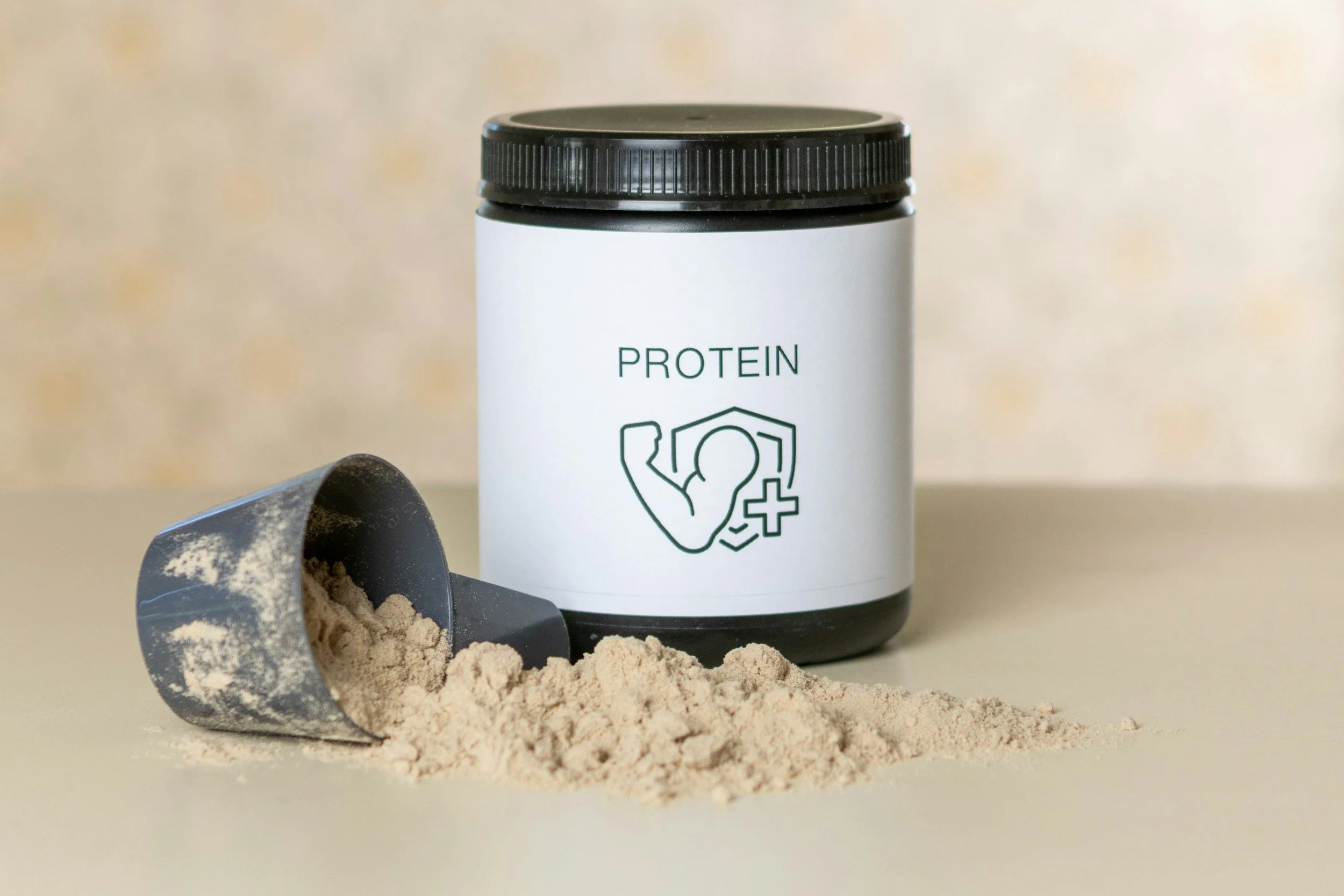
Protein is a macronutrient, which means that it contains calories (i.e. energy). It is made up of amino acids (compounds that contain carbon, hydrogen, oxygen, and nitrogen) that are bound together by peptide bonds. There are nine “essential” amino acids that we have to get in our diets, and our bodies can make the other “nonessential” amino acids from these.

ABOUT US: SPOKANE NUTRITIONISTS
We are a group of registered Spokane dietitians and personal trainers who have a passion for helping you feel in control of your health.
We work mainly with athletes, those with chronic GI conditions, and women in perimenopause and menopause. We create customized nutrition plans to empower and educate you in your health journey.
The Good
In our bodies, the long chains of peptides can fold into different shapes and serve a ton of crucial functions. Besides the obvious, maintaining and building muscle, proteins provide the framework for almost every tissue and cell in the body (e.g. connective tissue, blood cells, antibodies, enzymes), help with fluid and electrolyte balance, regulate acid-base balance, and more.
Our bodies can use protein for energy, but that is a last resort. That’s the job of our other two macronutrients, carbohydrates and fats. Compared to carbs and fats, protein is quite filling and can aid in weight loss and weight management.
Due to its many roles in the body, protein is crucial for recovery from exercise and, as we age, maintaining lean mass (muscle, bone, organs), keeping our immune system strong, and supporting cognitive health. This is one reason protein for muscle after 40 becomes such an important part of the conversation, particularly for women who want to stay strong and active as they age.
So far, protein is sounding like our rock star macro. Carnivore Diet here we come! Well, not so fast...
The Not-so-Good
Do you remember what I said that carbs and fats do? Carbs, in particular, are our bodies’ preferred energy source, particularly for higher-intensity activities. Fats are used more at rest and during low-intensity activities. Getting enough of these lets your body reserve protein for what it does best (see above).
“Carbs” come in many forms and are more than just bread, pasta, rice, and potatoes. Fruits, vegetables, whole grains, nuts, legumes, and seeds all contain fiber, which is a form of carbohydrate that has a bunch of benefits such as decreased risk of mortality from cardiovascular disease and decreased rates of many cancers and gastrointestinal disorders.
There is some research on people who consume high-protein diets and limit carbohydrates suggesting that they may have an unhealthy balance of gut microbes, which may then impact many of the health risks previously mentioned.
The takeaway? Protein for women is important, but protein isn't the only nutrient that matters.
A balanced diet MUST include carbohydrates, fats, fiber, fruits, vegetables, and a variety of whole foods.
Let’s Get Personal
Now, you may very well know someone who is loving the protein-maxxing life and frequently shares that they feel “uh-MAZE-ing!” I am happy for that person and am never going to argue with their lived experience.
That being said, there is good evidence that one cannot live healthfully on protein alone for all of the reasons mentioned above. Evidence-based nutrition relies on just that: evidence.
So, the following protein recommendations are based on the best evidence to date of what may be beneficial for most perimenopausal and post-menopausal women.
Estrogen helps to stimulate the growth of muscle fibers and progesterone helps regulate protein metabolism. As these hormones fluctuate and decline with age, women need to pay more attention to maintaining muscle and getting adequate protein.
This is where the conversation around protein perimenopause and protein menopause becomes especially relevant. Protein is not a magic fix for every symptom associated with hormonal changes, but getting enough can be an important piece of supporting muscle, strength, recovery, and overall health.
And when it comes to protein and strength training, the two really do go hand in hand. Resistance training provides the stimulus for your muscles, while adequate protein provides the amino acids your body needs to repair and build them.
Give Me the Numbers
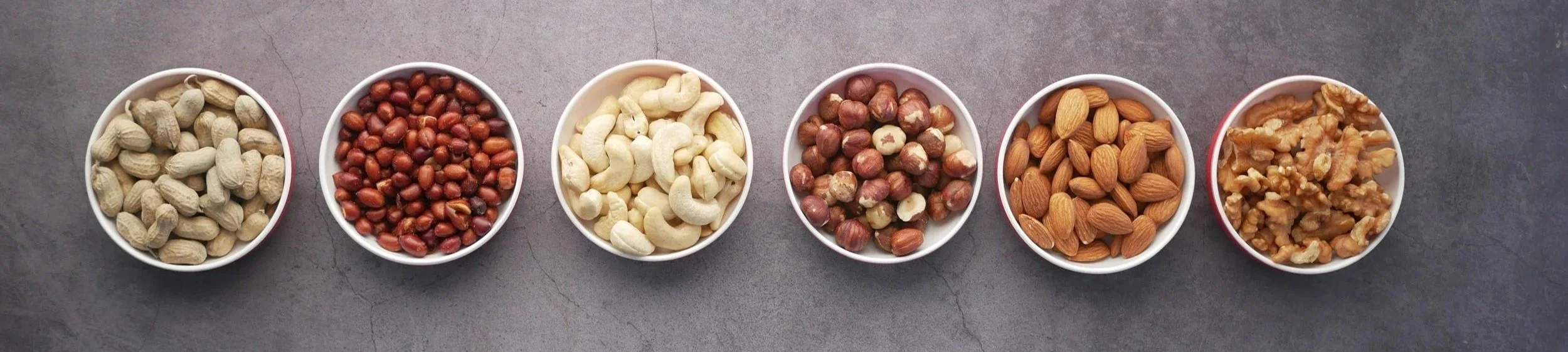
You may have heard that adults need 0.8 g of protein per kg of body weight every day (I’ll abbreviate this g/kg). This is the minimum needed for most people to meet basic protein needs.
Active individuals, including athletes, older adults, growing teens, pregnant women, and some people with chronic diseases (this includes a lot of people!) need more.
It is recommended that athletes (male and female) consume anywhere from 1.2–2.2 g/kg per day (0.5–1.0 g/lb). For active women who are peri- and postmenopausal, this may be as high as 1.8–2.2 g/kg per day (0.8–1.0 g/lb).
For a 176 lb woman (80 kg), this is 145–160 grams of protein.
Yeah, that’s a lot and may not be realistic for everyone depending on your activity, overall calorie needs, and other health factors. That’s why it helps to talk to a dietitian to dial this in!
So, if you're wondering, “How much protein should a woman eat?”, there isn't one magic number that applies to every woman. Your needs depend on your body size, activity level, age, goals, and overall health.
To start, though, I recommend using 1.2 g/kg as a baseline and going from there.
It’s going to be hard to get that total amount during the day without eating at least a few meals and possibly snacks.
Aim for 30–40 g of protein per meal. Any snacks should be about 15 grams of protein.
If you are doing a strength-based training session, have a snack with 15 g of protein pre-workout. No matter what type of activity, aim to get 30 g of protein after moderate- to high-intensity exercise. This could (and probably should) be a meal.
For active women, especially those who are strength training, running, cycling, hiking, or participating in other endurance sports, spreading protein throughout the day can be a practical way to support recovery and help meet overall needs.
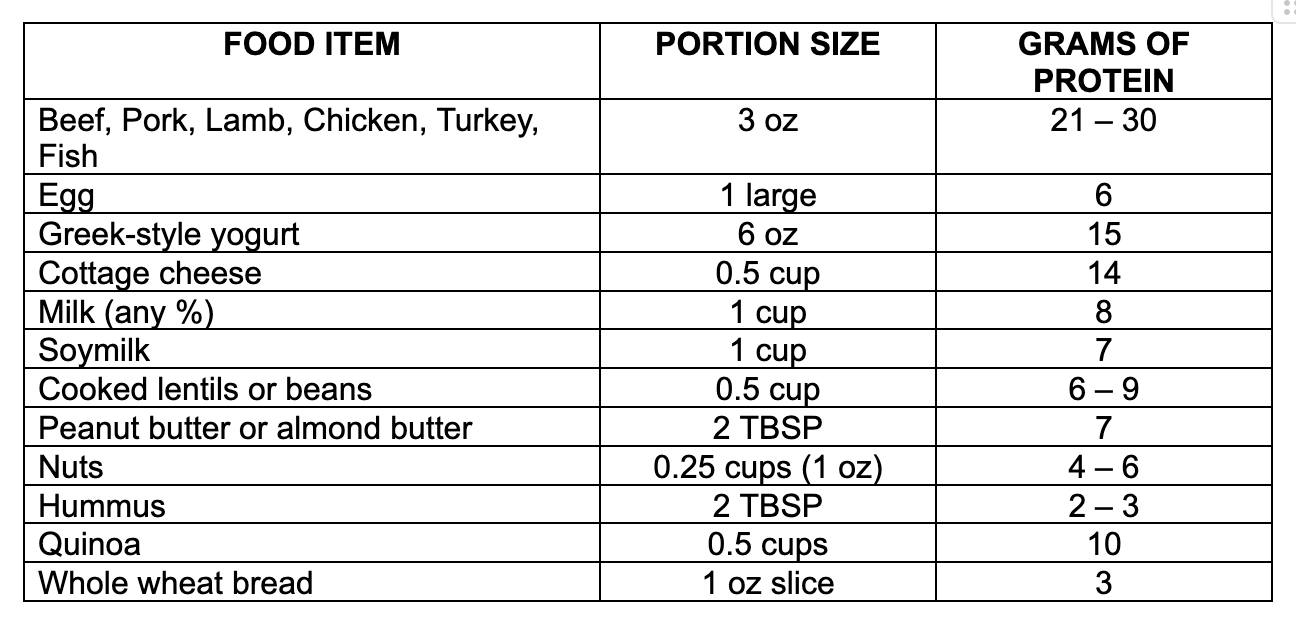
What does this amount of protein even look like? Glad you asked!
What Does This Look Like in Real Life?
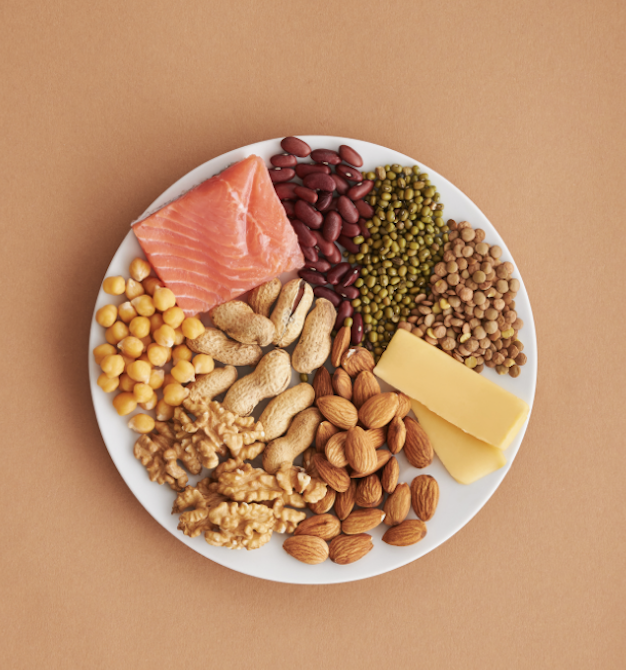
You don't need to eat chicken breast at every meal or live on protein shakes to meet your needs. There are plenty of ways to build high protein meals for women that are satisfying, balanced, and actually enjoyable.
Think about pairing a protein-rich food with carbohydrates, healthy fats, and fruits or vegetables. For example:
Eggs with whole-grain toast and fruit
Greek yogurt with berries, nuts, and granola
Chicken, rice, roasted vegetables, and avocado
Lentil or bean bowls with quinoa, vegetables, and cheese
Salmon with potatoes and a big salad
Cottage cheese with fruit and nuts
The goal isn't to make every meal “high protein” at all costs. It's to consistently include enough protein throughout your day while still getting the other nutrients your body needs.
Need Help Figuring out Your Protein Needs?
Whether you're an endurance athlete, an active mom, navigating the changes of perimenopause, or simply trying to increase, your daily protein without it consuming your whole life— we can help!
At Fuel to Thrive, our dietitians and trainers provide personalized, evidence-based guidance to help you figure out what actually matters for you right now.
Akbari M, Vali M, Rezaei S, Bazmi S, Tabrizi R, Lankarani KB. Comparison of weight loss effects among overweight/obese adults: A network meta-analysis of mediterranean, low carbohydrate, and low-fat diets. Clin Nutr ESPEN. 2024 Dec;64:7-15. doi: 10.1016/j.clnesp.2024.08.023. Epub 2024 Sep 10. PMID: 39255914.
Jing T, Zhang S, Bai M, Chen Z, Gao S, Li S, Zhang J. Effect of Dietary Approaches on Glycemic Control in Patients with Type 2 Diabetes: A Systematic Review with Network Meta-Analysis of Randomized Trials. Nutrients. 2023 Jul 15;15(14):3156. doi: 10.3390/nu15143156. PMID: 37513574; PMCID: PMC10384204.
McCarthy D, Berg A. Weight Loss Strategies and the Risk of Skeletal Muscle Mass Loss. Nutrients. 2021 Jul 20;13(7):2473. doi: 10.3390/nu13072473. PMID: 34371981; PMCID: PMC8308821.
Nagao K. Cognition and nutrition: the role of dietary protein and amino acids in cognitive health. Curr Opin Clin Nutr Metab Care. 2024 Jan 1;27(1):40-46. doi: 10.1097/MCO.0000000000000987. Epub 2023 Oct 18. PMID: 37874047.
Ramezani F, Pourghazi F, Eslami M, Gholami M, Mohammadian Khonsari N, Ejtahed HS, Larijani B, Qorbani M. Dietary fiber intake and all-cause and cause-specific mortality: An updated systematic review and meta-analysis of prospective cohort studies. Clin Nutr. 2024 Jan;43(1):65-83. doi: 10.1016/j.clnu.2023.11.005. Epub 2023 Nov 14. PMID: 38011755.
Veronese N, Gianfredi V, Solmi M, Barbagallo M, Dominguez LJ, Mandalà C, Di Palermo C, Carruba L, Solimando L, Stubbs B, Castagna A, Maggi S, Zanetti M, Al-Daghri N, Sabico S, Nucci D, Gosling C, Fontana L. The impact of dietary fiber consumption on human health: An umbrella review of evidence from 17,155,277 individuals. Clin Nutr. 2025 Aug;51:325-333. doi: 10.1016/j.clnu.2025.06.021. Epub 2025 Jul 7. PMID: 40651334.
Chen Y, Yang K, Xu M, Zhang Y, Weng X, Luo J, Li Y, Mao YH. Dietary Patterns, Gut Microbiota and Sports Performance in Athletes: A Narrative Review. Nutrients. 2024 May 26;16(11):1634. doi: 10.3390/nu16111634. PMID: 38892567; PMCID: PMC11175060.
Hughes RL, Holscher HD. Fueling Gut Microbes: A Review of the Interaction between Diet, Exercise, and the Gut Microbiota in Athletes. Adv Nutr. 2021 Dec 1;12(6):2190-2215. doi: 10.1093/advances/nmab077. PMID: 34229348; PMCID: PMC8634498.
Sims ST, Kerksick CM, Smith-Ryan AE, Janse de Jonge XAK, Hirsch KR, Arent SM, Hewlings SJ, Kleiner SM, Bustillo E, Tartar JL, Starratt VG, Kreider RB, Greenwalt C, Rentería LI, Ormsbee MJ, VanDusseldorp TA, Campbell BI, Kalman DS, Antonio J. International society of sports nutrition position stand: nutritional concerns of the female athlete. J Int Soc Sports Nutr. 2023 Dec;20(1):2204066. doi: 10.1080/15502783.2023.2204066. PMID: 37221858; PMCID: PMC10210857.
“Protein Content of Common Foods.” (2019). John Hopkins School of Medicine, https://www.hopkinsmedicine.org/-/media/bariatrics/nutrition_protein_content_common_foods.pdf
“Protein.” (2018). USDA National Nutrient Database for Standard Reference Legacy (2018), https://www.nal.usda.gov/sites/default/files/page-files/Protein.pdf

My #1 Hack for Staying Consistent When Life Gets Busy
Learn how busy moms and endurance athletes can stay consistent with nutrition, fitness, and healthy habits during busy seasons without striving for perfection.
Healthy, Helpful Habits for Busy Moms and Endurance Athletes: How to Stay Consistent With Nutrition, Fitness, and Life
Believe me when I say, I am living one of the most insanely busy seasons of my life right now.
We are in the midst of moving, trying to sell our house (and keep it clean with an almost 3-year-old), navigating a sleep regression, dealing with staffing changes at work that have amped my stress levels by about 1,000%, all while entering my third trimester and realizing I have not put one thought into a registry, A NAME, or anything related to the season we are about to enter.
You guys… I’m EXHAUSTED!

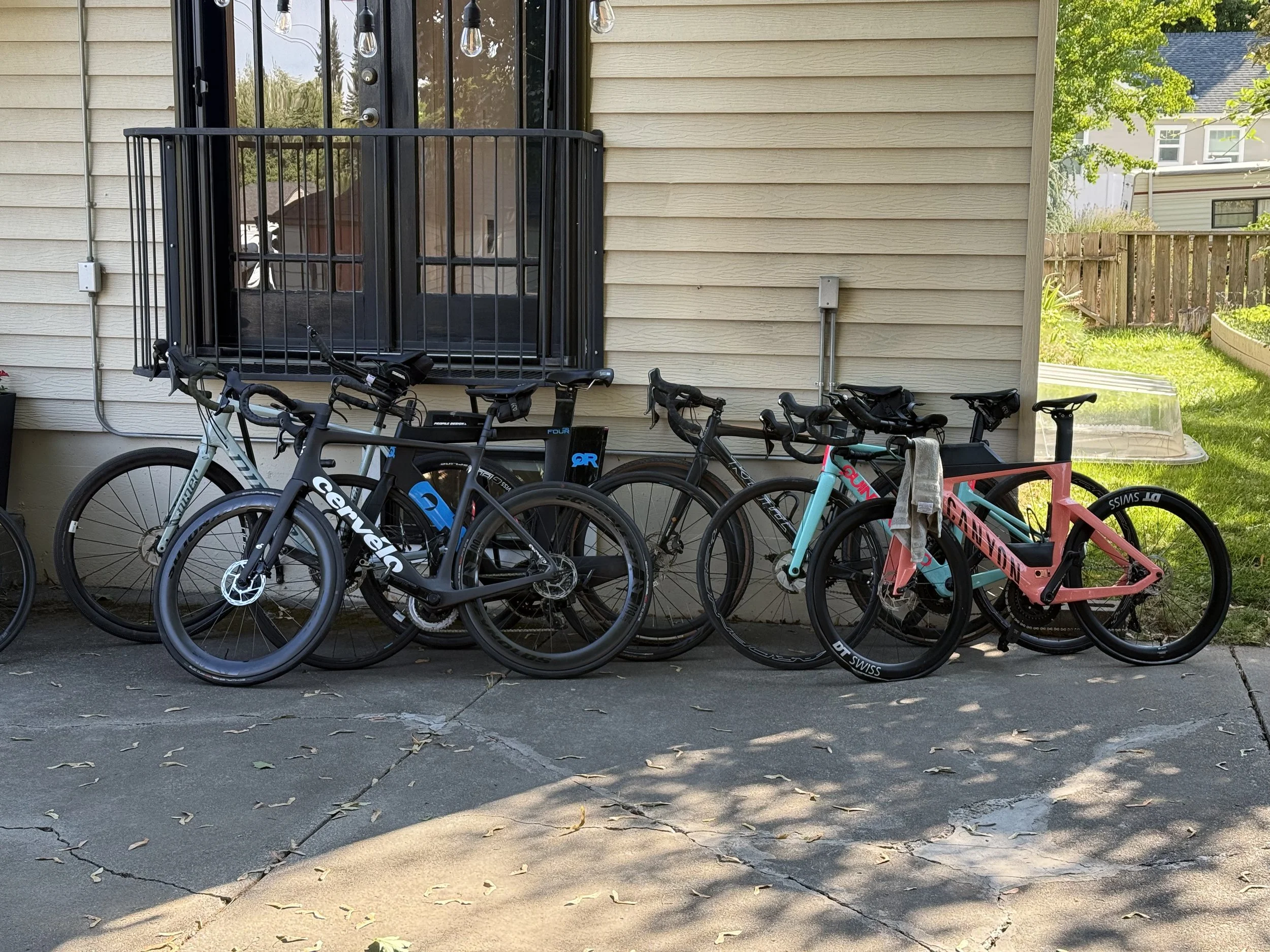

And yet, I’m still training. I’m still fueling myself. And I’m still prioritizing (or trying my best to prioritize) sleep.
I don't say that in a braggy way, I promise!
I share this because I think there is something really important to recognize when life gets busy: you don't have to keep improving in every area of your life all the time.
Instead, you need a baseline.
ABOUT US: SPOKANE NUTRITIONISTS
We are a group of registered Spokane dietitians and personal trainers who have a passion for helping you feel in control of your health.
We work mainly with athletes, those with chronic GI conditions, and women in perimenopause and menopause. We create customized nutrition plans to empower and educate you in your health journey.
What Is Your Baseline?
I was speaking at a Women’s Wellness Conference this month, and one of the speakers talked about recognizing whether you’re living in the green, yellow, or red.
Green: Life feels manageable and is coming at you at a pace you can handle.
Yellow: You’re still managing, but you’re feeling more stretched and pushed.
Red: You’re completely maxed out and probably not functioning at your normal capacity.
Right now? I am firmly in the red.
But here’s the thing: I still have a baseline that I fall back on.
And that, I think, is my number one hack for staying consistent during busy seasons.
Focus on your baseline.
I talk about this a lot with my clients, especially endurance athlete moms, because I think it is such a helpful concept.
We can’t always be improving.
Let me say that again:
In a world obsessed with optimization, we have to recognize that there are seasons where the goal is simply to maintain.
Different seasons of life require different goals.
When life is mostly in the green, we can optimize.
When we're living in the yellow, our goal may need to become maintenance.
And when we're living in the red, this is where we fall back on our baseline.
What Does a "Baseline" Actually Mean?
Your baseline is made up of the habits you don't really have to think about anymore because they are ingrained into your routines.
They're the things you know help you feel your best, but they don't require a ton of extra mental energy to execute.
For me, my baseline currently looks like this:
1. I try to move or train most days
I may be taking back the intensity or duration of my workouts, but I am still getting movement in most days.
As I've mentioned before, this is actually one of the things that keeps me grounded during stressful seasons because it is something I can control.
As someone who works as both an endurance athlete coach and dietitian, I know how easy it can be to fall into the mindset that every workout needs to move you forward.
But sometimes the purpose of training isn't improvement.
Sometimes the purpose is simply to maintain fitness, support your mental health, and give yourself something that makes you feel like you.
And that's enough.
2. I make sure I'm eating regular, balanced meals and snacks
I'm still aiming for three meals a day plus a couple of snacks, and I'm trying to make those meals and snacks well balanced.
Does that mean they're sometimes more thrown together than normal?
Absolutely.
Are we eating out more than usual?
Yep.
But I am still trying to build meals and snacks around a combination of:
Carbohydrates
Protein
Healthy fats
Fruits and vegetables
That gives my body the energy and nutrients it needs to keep up with everything I'm asking of it.
As much as I have wanted to just have ice cream for dinner some days, I know that isn't going to set my energy up for success.
So instead, I'm choosing balance over perfection.
And honestly, that is something I encourage my clients to do all the time — whether they're busy professionals, parents, endurance athlete moms, or navigating a major life transition.
3. I grocery shop intentionally
I really try not to fall into a place where I'm running to the grocery store every single day.
Instead, I try to plan at least a couple of days of meals at a time and shop for the foods we need.
Does this mean I have a perfectly planned meal every night?
Definitely not.
It simply means I have enough food in the house to give myself some options.
Having a plan makes it much easier to throw together a balanced meal when I'm exhausted and less likely to default to ordering takeout simply because I don't know what we're going to eat.
And sometimes takeout is the right choice.
The goal isn't to make every meal from scratch. It's to make feeding yourself easier during a busy season.
4. I prioritize sleep
As tempting as it is to stay up late every night to get more done — or to take a little more "me time" after my toddler goes to bed — I don't.
I try to stick with a normal bedtime and my normal bedtime routine.
Even though stress is keeping me up more than usual right now, I'm at least giving my body the opportunity to rest and relax.
This is another area where the goal isn't perfection.
It's simply asking:
What is the minimum I can consistently do to support myself right now?
5. I recognize that I'm living in the red
This one might actually be the most important.
I'm trying not to set my expectations of myself too high during this season because, as I mentioned above, this isn't a season where I need to be operating at 100%.
I'm pregnant.
I'm parenting a toddler.
I'm moving.
I'm running a business.
I'm managing staffing changes.
There is a lot going on.
So expecting myself to train at my normal level, meal prep every Sunday, sleep perfectly, crush my business goals, keep my house spotless, and somehow prepare for a baby would be…well, unrealistic.
Recognizing that I'm in the red allows me to adjust my expectations instead of constantly feeling like I'm falling short.
Your Baseline Doesn't Have to Look Like Mine
One of the things I love about working with people 1-on-1 in a dietitian private practice is that there is no universal baseline.
Your baseline should be built around your life, your priorities, and the habits that genuinely help you function well.
For one person, that might mean:
Eating breakfast every morning
Getting outside for a 20-minute walk
Taking medication or supplements consistently
Going to bed at a reasonable time
Drinking enough water
For someone else, it might mean:
Three balanced meals
Two strength workouts per week
Planning a few easy dinners
Getting 7+ hours of sleep
Taking one evening completely off
And your baseline may change throughout your life.
For example, the baseline that works for an endurance athlete during a marathon training cycle may look completely different from the baseline that works during the postpartum period.
A perimenopause dietitian might also help a client identify different foundational habits during perimenopause than they would have prioritized during another stage of life.
The point isn't what your baseline should be.
The point is figuring out what your baseline is.
Your Baseline Can Actually Get Stronger
Here's the part I really want you to hear:
In my best seasons — when I'm thriving and have more capacity — I can function above my baseline in all of these areas.
I can train harder.
I can cook more.
I can be more intentional with my nutrition.
I can prioritize sleep more consistently.
I can take on more.
And by doing those things during seasons when I have the capacity, I'm naturally raising my baseline for future crazy seasons.
That's the goal.
Not perfection. Progress.
So, What's Your Baseline?
Whether you're in a surviving season or a thriving season, I want you to think about 2–4 things you do on a daily or weekly basis that help you feel grounded, keep your energy steady, and help you function well.
Write them down.
Those are your baseline habits.
If you're in the red…
Focus on those.
That's it.
You don't need to add five new habits.
You don't need to optimize your morning routine.
You don't need to completely overhaul your nutrition or training.
Come back to your baseline.
If you're in the green…
Look for ways to gradually raise that baseline.
Maybe that means:
Finding a few more easy meals to keep in your regular rotation
Moving your bedtime up by 15 minutes
Getting more consistent with balanced meals and snacks
Adding one additional strength or endurance workout
Finding a simple way to make grocery shopping easier
Preparing a few grab-and-go snacks for busy days
Small improvements during seasons when you have more capacity can make your next busy season feel a little more manageable.
Because the goal isn't to be "on" all the time.
The goal is to know what keeps you going — and to have those habits to fall back on when life gets crazy.
And trust me, life will get crazy.
Your baseline is what helps you keep going anyway.
Need Help Finding Your Baseline?
Whether you're an endurance athlete mom trying to balance training and family, navigating the changes of perimenopause, or simply trying to take better care of yourself during a busy season, your nutrition and fitness plan should fit your life — not add more stress to it.
At Fuel to Thrive, our dietitians and trainers provide personalized, evidence-based guidance to help you figure out what actually matters for you right now.
Ready to build a plan that feels realistic?
Work with Fuel to Thrive!

The 3 Biggest Fueling Mistakes Endurance Athlete Moms Make (Why You’re Training Hard But Not Seeing Results)
Learn the biggest fueling mistakes endurance athlete moms make, from under fueling to poor recovery. Expert tips from a Spokane sports dietitian.

Okay, we’ve all been there…
You’re in the middle of your workout, not hitting your paces, feeling like you’re carrying a ton of bricks, and honestly questioning if you even like your sport anymore.
Then you think back and realize:
you barely ate breakfast,
grabbed a few bites of your kids’ leftovers,
rushed out the door,
and hoped for the best.
And now you’ve crashed halfway through your session.
You tell yourself:
“I’m going to fuel better starting today.”
But then life happens again, and you don’t.
Not because you genuinely don’t want to — but because as an endurance athlete mom, you’re juggling a million responsibilities and fueling yourself is often the first thing to slip.
If you’ve ever felt like you’re training hard but not seeing results, poor fueling may be one of the biggest missing pieces.
The good news? Fueling well does not need to be complicated.
It does require:
a little planning,
understanding your body’s needs,
and learning how to fuel for both performance and motherhood.
As a sports dietitian in private practice, endurance athlete, and mom myself, I see the same three fueling mistakes come up over and over again with endurance athlete moms.
Let’s dive into them…
ABOUT US: SPOKANE NUTRITIONISTS
We are a group of registered Spokane dietitians and personal trainers who have a passion for helping you feel in control of your health.
We work mainly with athletes, those with chronic GI conditions, and women in perimenopause and menopause. We create customized nutrition plans to empower and educate you in your health journey.
1) Fueling Like Someone Who Doesn’t Train Like You
…your friend who does HIIT classes 3x/week, your sister trying the latest diet trend, or the influencer online telling everyone carbs are bad.
One of the biggest mistakes I see is women trying to follow nutrition advice that was never designed for endurance athletes in the first place.
Here’s the reality:
Your body has very different needs than someone who:
works out casually,
is trying to lose weight,
or isn’t balancing endurance training with motherhood and everyday life.
As an endurance athlete, your body requires:
more overall energy,
more intentional fueling,
and often more carbohydrates than you think.
And honestly? Keeping up with kids requires energy too.
If you want to:
improve performance,
recover better,
and feel strong during training,
You need a fueling strategy built for your unique body, training load, and lifestyle, not a generic social media plan. That’s why so many women benefit from a customized nutrition plan tailored to both their sport and real life.

2) Only Eating What (and When) Your Kids Eat
Can I tell you one of my biggest pet peeves as a mom?
The second I grab a snack, my daughter suddenly wants exactly what I’m eating too. 😂
I’ve absolutely hidden in the pantry just to eat something in peace.
And honestly? I know I’m not alone.
Now, here’s the important part:
A lot of “kid foods” actually can work well for endurance athletes. This isn’t about making separate meals for yourself.
It’s about learning:
how to balance meals,
when to add protein or carbs,
and how to adjust portions and timing to support your training.
For example:
adding protein to a carb-heavy snack,
eating a more substantial breakfast before training,
or planning recovery nutrition before the post-workout chaos begins.
Small adjustments can make a massive difference in:
energy,
recovery,
mood,
and performance.
👉 If this is something you struggle with, check out my FREE GUIDE: How to Fuel Like an Athlete Without Making Different Meals Than Your Kids.It’s designed specifically for busy endurance athlete moms who want fueling to feel simpler and more sustainable.

3) Skipping Meals Because Life Gets Busy
This one is incredibly common.
You get busy.
You stay out longer than expected.
You push lunch back “just a little.”
You’re trying to finish one more thing before eating.
And suddenly:
your energy crashes,
your workout feels terrible,
you feel foggy and irritable,
and you’re snapping at your family by the end of the day.
Sound familiar?
As an endurance athlete, consistency matters, not just in training, but in fueling too. Your body performs best when it has a steady stream of energy coming in throughout the day.
That means:
packing snacks,
setting reminders,
keeping quick options available,
and treating nutrition like part of your training plan. Because it is.
Why Endurance Athlete Moms Need a Different Approach
Most generic nutrition advice doesn’t account for:
limited training windows,
family schedules,
mental load,
recovery needs,
and the reality of trying to balance performance goals with motherhood.
That’s why in my Fuel, Train, Thrive: 5-Month Performance Optimization Program for Endurance Athlete Moms we focus on more than just workouts or meal plans.
We combine:
endurance coaching,
strength training,
fueling strategy,
and schedule optimization
so you can:
rebuild energy,
trust your plan again,
recover better,
and finally stop feeling like you’re doing all the work with no results.
As a dietitian in private practice, my goal is to help endurance athlete moms fuel in a way that feels realistic, personalized, and sustainable long term.
Ready to Stop Guessing With Your Fueling?
If you’re tired of:
feeling exhausted during training,
second-guessing your nutrition,
or wondering why you’re not progressing despite working hard… you do not have to figure it out alone.
Fill out this form below to learn more about how we can create a personalized strategy that supports your training, energy, and life as a mom.

Vacation Running: To Run or Not to Run?
Running while traveling? Learn practical tips for endurance athletes on vacation, including pre- and post-run nutrition, fueling in the heat, and how to balance rest, family, and training.
ABOUT US: SPOKANE NUTRITIONISTS
We are a group of registered Spokane dietitians and personal trainers who have a passion for helping you feel in control of your health.
We work mainly with athletes, those with chronic GI conditions, and women in perimenopause and menopause. We create customized nutrition plans to empower and educate you in your health journey.
Kevin and I recently got away to Palm Springs, and one of my favorite parts of the trip was being able to run together! He kind of teases me because he knows that on any vacation we’re on, I’ll be running.
This was our first time vacationing without Keely, and I’m not going to lie, it was the first time I questioned whether I wanted to fully soak in the rest and sleep in every day, or get up and run. (ALSO, it was 90+ degrees there, which had me questioning everything, considering I’ve been running in 30-degree temps all winter long!)
Anyways, we ran, we loved it, and we survived the heat! I truly do love exploring new places on foot, but let’s be real—it comes with some challenges. So I want to walk you through a few of those and give you practical tips, especially when it comes to nutrition for endurance athletes while traveling.

Tips for Running on Vacation
1. Packing
Okay, I don’t actually have a tip for this, but I’m always a bit annoyed that I have to dedicate a portion of my luggage to running gear… although it does give me an excuse to bring a bigger suitcase!
2. Schedule (hi, moms)
Let’s talk about the unspoken expectations you put on yourself (and that your family may have) about vacation. These can make prioritizing a run either feel easy or like a tension-building, mom-guilt filled disaster.
If running fits—great. If not, and you want it to, have a conversation with your family about how to make it work. Remember, it’s your vacation too, and you deserve a few moments for yourself.
3. Pre-Run Fuel
If you’re running in the morning, you’ll want something easy and carbohydrate-rich beforehand. This is a key part of any solid marathon fueling plan, even when you’re traveling.
On longer trips, we’ll buy a loaf of bread, peanut butter, and bananas. For shorter trips, I’ll pack Cliff Bars or Fig Bars. Other easy options include fruit, applesauce squeeze pouches, instant oatmeal packets, or muffins.
4. Post-Run Fuel
Our post-run often turns into heading to a coffee shop and not really having a meal for hours. If your family is similar, you’ll want something easy for post-run fuel—or you’ll find yourself dragging, starving, and maybe a little (A LOT) irritable a couple hours later (not like I know from experience!).
If you have access to a refrigerator, Chobani Yogurt Drinks or Fairlife Protein Milk are great options (paired with some extra carbs). If not, a protein bar or protein shake works well.
Just remember: aim for about 20g of protein + at least 40g of carbs, a simple guideline I often include when building a customized nutrition plan for athletes.
5. Gear
Depending on the weather and run length, you may need gels, water, and electrolytes, especially if it’s warmer than you’re used to or you’re running for an hour or more. I always find electrolyte packets so nice to have while traveling!
6. Lower Your Expectations
You’re running in a new place, sleeping in a different bed, juggling new stressors, and eating foods you’re not used to, don’t beat yourself up if your run feels off. Just be proud you got out there and did it.


What About Your Fitness?
I’ve been an endurance athlete and coach long enough to tell you, taking a week off from running for vacation is not going to significantly impact your fitness. The rest may actually improve it.
If you miss a week of training, you might feel a little off during your first week back, but within a week or two, you likely won’t notice any difference in your performance.
So… To Run or Not to Run?
Here’s my take:
If you’re wanting to run because:
You’re afraid of losing fitness
or you think you’ll gain weight if you don’t
You may end up resenting it—and would actually benefit more from taking a break.
If you’re wanting to run because:
It helps you feel like yourself
You want a moment to yourself
or you’d love to explore a new area…
Then go for it—and use the tips above to set yourself up for success.
Want a Personalized Fueling Plan?
If you’re an endurance athlete trying to balance training, fueling, and real life, having a plan makes everything feel easier.
Whether you need help dialing in your marathon fueling plan or want a fully customized nutrition plan that actually fits your life, I can help.
👉 Fill out an Inquiry or schedule an appointment today and we can build a fueling strategy that supports your training, your schedule, and your goals—without the guesswork.

Marathon Fueling Plan: How to Avoid Bonking | Spokane Nutritionist Guide
Avoid bonking with a proven marathon fueling plan. Learn expert nutrition strategies from a Spokane nutritionist specializing in customized fueling plans for endurance athletes.
Written by Fuel to Thrive’s Dietitian and Personal Trainer: Jessica Lovell, MS, RD
“Hitting the wall” or “bonking” are words that often plague a runner’s nightmares leading up to race day.
Quite literally, bonking feels like running through molasses. You can’t fathom why your pace suddenly feels so hard—but your brain also can’t imagine going any faster. Bonking is one of the most common issues runners face, and without a proper marathon fueling plan, it can derail months of training.
ABOUT US: SPOKANE NUTRITIONISTS
We are a group of registered Spokane dietitians and personal trainers who have a passion for helping you feel in control of your health.
We work mainly with athletes, those with chronic GI conditions, and women in perimenopause and menopause. We create customized nutrition plans to empower and educate you in your health journey.
What Is Bonking? Understanding the Science
Scientifically, bonking occurs when your liver and muscle glycogen stores become depleted. Glycogen is the stored form of carbohydrate that your body uses for energy during endurance exercise. Think of it like gas in your car. When the tank is empty, the car slows down. Your body works the same way.
Here’s what most runners don’t realize:
Your liver stores roughly 88–160 grams of carbohydrates
Your muscles store around 310 grams
This equals about 1,600–1,900 calories of stored fuel
However, during a marathon, your body may burn around 3,000 calories. That’s a massive mismatch between stored fuel and energy demand. It’s no surprise that research shows nearly 40% of marathon runners experience bonking, often around mile 21. Your risk increases even more when racing at 80–95% of your VO₂ max, which is typical for many runners trying to perform their best. This is why proper nutrition for endurance athletes is critical for performance.
My First Marathon Fueling Mistake
In my first marathon, I was so afraid of bonking that I overcompensated.
Within the first six miles, I consumed:
3 packs of energy chews
600 calories
144 grams of carbohydrates
My stomach felt like it got hit by a bus. Instead of focusing on racing, I was racing to find a Porta Potty. Three bathroom stops later, I learned one of the most important lessons in marathon nutrition:
More fuel isn’t always better. The right fueling plan is what matters. That experience pushed me to learn exactly how to fuel properly—and how to help other runners do the same.

The 3 Pillars of an Effective Marathon Fueling Plan
Avoiding the bonk requires more than just fitness. It requires strategy. The three key pillars include:
1) Carb Loading Before the Race
Carb loading helps maximize glycogen stores so you start fully fueled. This helps:
Delay fatigue
Improve endurance
Support race-day performance
2) Pre-Race Fueling
Your pre-race meal helps:
Stabilize blood sugar
Top off glycogen stores
Prepare your body to perform
3) Fueling During the Race
During-race fueling helps:
Maintain energy levels
Prevent glycogen depletion
Support consistent pacing
This is where a customized fueling plan makes the biggest difference.
Six Marathon Fueling Strategies to Reduce Bonking and GI Distress
As an endurance athlete, these six strategies can help you fuel smarter and perform better.
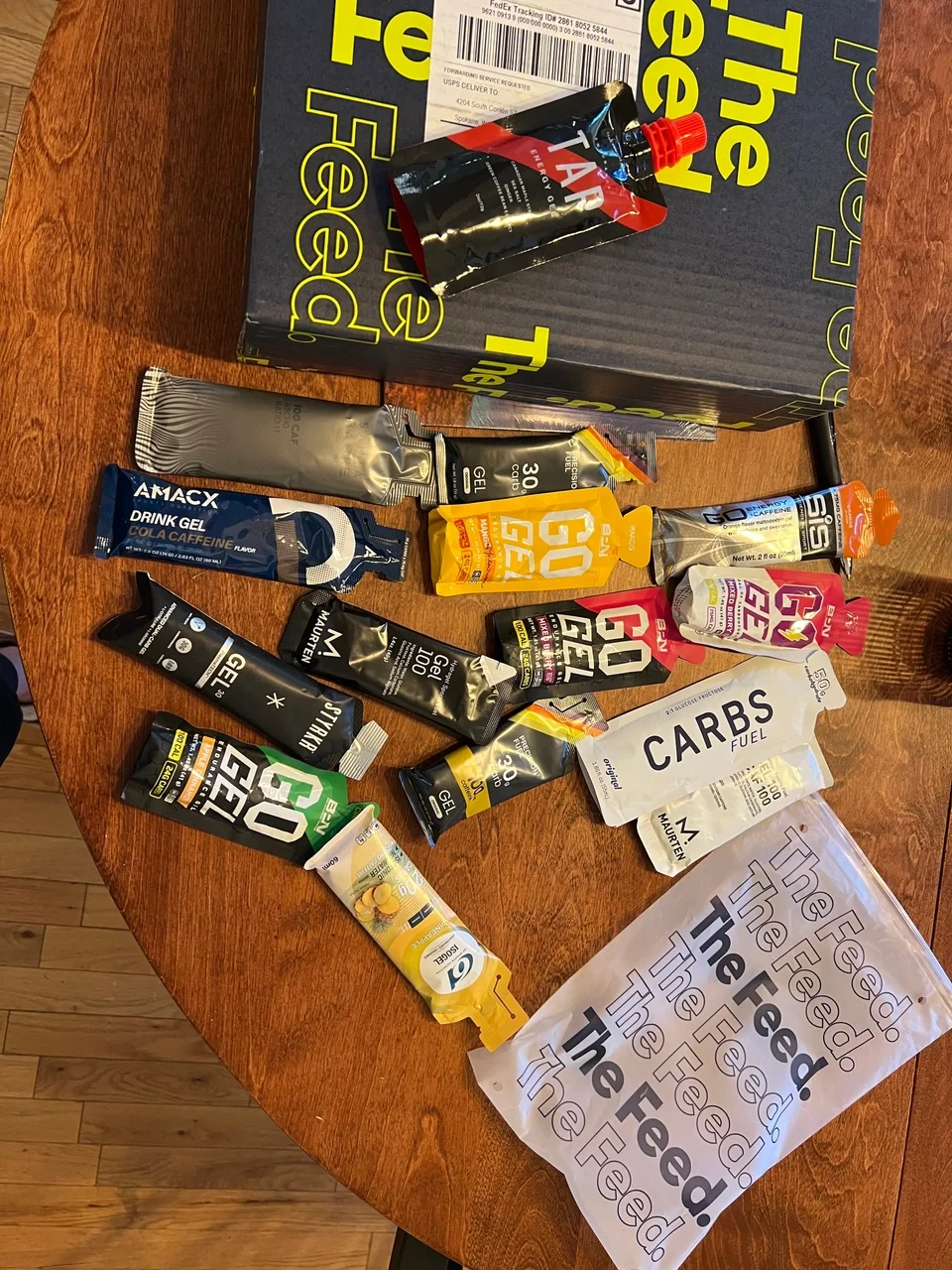
1) Practice Fueling During Training Runs
Experiment with different carbohydrate sources such as:
Energy gels
Chews
Carbohydrate sports drinks
If your race provides specific products at aid stations, practice using those. Race day should never be the first time you try a fuel.
2) Practice Carb Loading Before Race Day
Carb loading in the days leading up to your race helps:
Maximize glycogen stores
Improve endurance
Reduce your risk of bonking
A customized fueling plan can help you carb load without GI discomfort.
3) Create a Race Day Fueling Schedule
Know in advance:
What you’ll eat
When you’ll eat
How much you’ll consume
Then practice that exact plan during training.
4) Prioritize Hydration
Hydration supports:
Performance
Digestion
Energy levels
Be sure to hydrate consistently before and during your race.
5) Get Enough Sleep
Sleep plays a critical role in:
Recovery
Energy
Race performance
6) Manage Race Day Nerves
Some nerves are normal—but too much stress can worsen GI symptoms.
Having a clear marathon fueling plan helps increase confidence and reduce anxiety.
The Most Important Marathon Nutrition Lesson: Have a Plan
Race day nutrition is one of your most important performance tools. Without a plan, your body will eventually run out of fuel.
With the right plan, you can:
Maintain steady energy
Avoid bonking
Reduce GI symptoms
Perform your best
Your fueling strategy should be practiced, personalized, and intentional.
Why Every Runner Needs a Customized Fueling Plan
Every athlete’s body is different. Your fueling needs depend on:
Body size
Pace
Training volume
GI tolerance
Sweat rate
A customized fueling plan removes the guesswork and helps you fuel with confidence. This is the foundation of effective nutrition for endurance athletes.
Work With a Spokane Nutritionist to Optimize Your Marathon Fueling Plan
I may have spent a lot of time staring at the bright blue walls of a Porta Potty during my first marathon—but now, I race strong, fueled, and confident. As both a runner and a Spokane nutritionist, I help endurance athletes:
Build customized fueling plans
Overcome GI distress
Avoid bonking
Fuel properly for training and racing
If you want expert guidance and a personalized approach, working with a dietitian can help you fuel smarter and perform better.
Ready to Build Your Customized Fueling Plan?
If you’re training for a marathon and want a personalized plan designed for your body and goals, working with a Spokane nutritionist can help you:
Improve performance
Prevent bonking
Fuel with confidence
Your training deserves the right nutrition. And your race deserves your best performance.

How Working with a Spokane Nutritionist Changed My Marathon Fueling (and My Energy as a Mom)
Discover how working with a Spokane nutritionist at Fuel to Thrive transformed my marathon fueling plan and energy as a mom. Learn how proper nutrition for endurance athletes can help you run stronger, recover faster, and feel better every day.
Blog Written by Bekah Read who used us as here Spokane Nutritionist
Follow her running journey HERE


After running nine marathons, I can confidently say one thing: I under-fueled for all of them.
As a former college cross country and track athlete, I grew up hearing the message that “skinnier runners are faster.” For a while, it seemed true. I lived off smoothies, toast, and pastries and called it “fuel.” I wasn’t injured often like some of my teammates, but I had plenty of red flags that something wasn’t right:
Hair growth on my chin (a sign of hormonal imbalance)
Extreme exhaustion (I slept 10 hours a night and still needed naps)
Constant preoccupation with food
Still, I brushed it off and kept running. When I started marathons, my fueling plan was laughable… I’d take about 1.5 CLIF BLOKS total for the entire race. By mile 18 or 21, I’d hit the wall hard, slow down, and wonder why my training never seemed to translate on race day.
That’s when I reached out to Fuel to Thrive, a Spokane-based nutritionist team specializing in sports nutrition, GI health, and nutrition for endurance athletes.
ABOUT US: SPOKANE NUTRITIONISTS
We are a group of registered Spokane dietitians and personal trainers who have a passion for helping you feel in control of your health.
We work mainly with athletes, those with chronic GI conditions, and women in perimenopause and menopause. We create customized nutrition plans to empower and educate you in your health journey.
Finding a Spokane Nutritionist Who Actually Gets Endurance Athletes
When I met with Lori from Fuel to Thrive, I realized I’d been missing two huge pieces of the performance puzzle: enough food and the right timing.
Lori helped me reframe my relationship with fueling:
Eating enough won’t make me gain unnecessary weight.
Proper fueling actually helps me run faster and recover better.
One of the biggest game changers was learning to fuel during long runs. I used to finish every long run completely wiped out—head pounding, energy gone, and desperate for a nap. But as a mom of two toddlers (ages 2 and 3), naps aren’t exactly in the schedule anymore.
Once I started following the marathon fueling plan Lori helped me create (complete with hydration strategies and carb goals0 everything shifted. I could finish my long runs and still have energy for my family. No more post-run headaches. No more all-day exhaustion. Just sustainable energy that lasted.
Race Day: Fueling Right and Feeling Strong
By race week, I was all in. For the first time ever, I did a proper 3-day carb load (something Lori and Amy, the owner of Fuel to Thrive, had recommended).
I’ll be honest, I told Amy at the start line that I felt bloated and uncomfortable from all the carbs. She smiled and reminded me that it was exactly what my body needed.
And she was right.
Even though I battled some calf pain halfway through the race (thank you, supershoes), my gut felt amazing. My energy stayed steady, and I didn’t hit the wall. I crossed that finish line not only proud of my time, but proud of how I fueled my body.
Why I Recommend Fuel to Thrive to Every Spokane Endurance Athlete
If you’re a runner, cyclist, or triathlete who’s been piecing together your fueling from Instagram posts or guessing what works on race day, don’t do what I did for nine marathons.
Working with the Spokane nutritionists at Fuel to Thrive completely changed how I think about food, performance, and recovery. Their approach is rooted in science, but it’s also practical for real life, especially for busy athletes, parents, and anyone trying to balance training with the rest of life.
Whether you need help with:
A personalized marathon fueling plan
Nutrition for endurance training and recovery
Or guidance for gut health, hormones, or perimenopause
…the team at Fuel to Thrive will meet you where you are and help you build confidence in your nutrition.
The Bottom Line
Fueling right isn’t just about running faster, it’s about feeling your best every day. Thanks to Lori, Amy, and the entire Fuel to Thrive team, I finally understand what true nourishment feels like and I’ll never go back to underfueling again.
If you’re looking for a Spokane nutritionist who understands the demands of endurance training and can help you perform (and live) at your best, I can’t recommend Fuel to Thrive enough.
About Fuel to Thrive
Fuel to Thrive is a Spokane-based dietitian private practice that helps individuals fuel confidently whether you’re training for your next marathon, navigating GI challenges, or supporting your body through perimenopause. Their team of expert Spokane nutritionists and registered dietitians provides personalized, science-backed nutrition plans designed to help you perform your best, feel your best, and thrive in everyday life.
If you’re ready to:
✅ Build a marathon fueling plan that actually works
✅ Learn how to fuel for endurance without restriction or burnout
✅ Or simply feel better and stronger in your day-to-day

Easy Smoothie for Busy Mornings
Easy Breakfast Smoothie | Spokane Nutritionist-Approved Recipe
A quick, balanced smoothie from a Spokane nutritionist. Perfect for busy mornings, endurance athletes, or marathon fueling plans. Simple, nourishing, and satisfying.
A Quick, Balanced Breakfast from a Spokane Nutritionist

Mornings can feel hectic, but that doesn’t mean your nutrition has to suffer. As a Spokane nutritionist who works with clients through my dietitian private practice, I often recommend this easy, balanced smoothie as a quick meal option. It’s ideal for anyone looking for a healthy, satisfying start—whether you’re heading to work, managing a busy family morning, or training for a race.
This simple recipe supports both everyday wellness and performance goals. It’s balanced with complex carbohydrates, high-quality protein, healthy fats, and fiber—exactly what your body needs to stay fueled through the morning or a training session.
Why I Love This Smoothie
This go-to blend is a client favorite because it offers both great taste and performance benefits:
Energizing Carbs: Rolled oats, berries, and banana offer a mix of quick and sustained energy—perfect for busy mornings or as part of your marathon fueling plan.
Protein Boost: Greek yogurt and protein powder deliver the protein your muscles need for repair and recovery, especially if you’re following a nutrition plan for endurance athletes.
Healthy Fats: Almond or peanut butter (or chia seeds) add satisfying creaminess and provide heart-healthy fats for long-lasting energy.
Micronutrient Density: Baby spinach and berries pack in fiber, antioxidants, and essential vitamins—making this smoothie nutrient-dense and delicious.
Grab-and-Go Friendly: Blends up in minutes and travels easily in a 24–32 oz glass or bottle—perfect for mornings when time is tight.
ABOUT US: SPOKANE NUTRITIONISTS
We are a group of registered Spokane dietitians and personal trainers who have a passion for helping you feel in control of your health.
We work mainly with athletes, those with chronic GI conditions, and women in perimenopause and menopause. We create customized nutrition plans to empower and educate you in your health journey.
How This Smoothie Fits Into a Customized Nutrition Plan
This smoothie is a great example of how small, consistent choices can fit into customized nutrition plans tailored to your goals. Whether you’re working toward balanced blood sugar, better recovery, or optimal performance, incorporating nutrient-dense meals like this one can make a big difference.
If you’re preparing for a local a big race like a marathon or looking to improve your everyday eating habits, a personalized Spokane marathon nutrition or perimenopause nutrition plan can help you find what works best for your body and schedule.
Fan Favorite Smoothie
Ingredients (serves 1):

⅓ cup rolled oats
1 cup frozen berries (any variety)
½ medium banana
2 handfuls baby spinach
½ cup nonfat Greek yogurt
1 serving whey or plant-based protein powder
1 tablespoon almond or peanut butter
1 cup milk (dairy or fortified plant-based
How to:
Add all ingredients to a blender.
Blend on high until smooth and creamy. Adjust liquid for desired consistency.
Pour into a to-go cup and enjoy!
As a dietitian, I love it when a meal is both practical and nutrient-packed. This smoothie is one of my go-tos because it’s delicious and highly customizable. Swap in different fruits, try a plant-based protein, or adjust your nut butter choice to chia or flax seeds. It’s a quick, reliable meal staple whether you’re heading to work or refueling after a workout.
BY: LORI LAVOIE MS, RDN, CDN

Simple and Versatile Granola Recipe for Lasting Energy
A Spokane nutritionist shares a simple, gluten-free granola recipe perfect for endurance athletes and marathon training. Packed with oats, seeds, and healthy fats, this homemade granola supports steady energy and recovery. Enjoy it as part of a customized nutrition plan from a dietitian private practice focused on marathon fueling and balanced eating.
A Spokane Nutritionist’s Guide to a Balanced, Customizable Breakfast

As a dietitian working in a private practice, I’m often asked which breakfast cereals or granolas I recommend. The truth is, many commercial granolas are loaded with added sugars, refined oils, and lack meaningful fiber or healthy fats. That’s why I love this easy, nutrient-dense homemade granola. It’s a simple staple for anyone focused on endurance, recovery, or everyday balanced eating.
This recipe supports a marathon fueling plan and offers long-lasting energy for nutrition-focused runners and athletes. Whether you’re training for a race or just looking for a wholesome breakfast, this granola is a great addition to your customized nutrition plan.
Nutrition Highlights
Rolled Oats
High in soluble fiber (especially beta-glucan) for heart and digestive health
Low glycemic index for sustained energy
Provides key micronutrients like magnesium, iron, and manganese
Sunflower Seeds & Pumpkin Seeds
Great source of healthy fats and plant-based protein for endurance athletes
Rich in vitamin E, magnesium, zinc, and selenium
Pumpkin seeds provide tryptophan, supporting serotonin and mood balance
Coconut Oil & Maple Syrup
Adds light sweetness and satisfying crunch
Fewer added sugars than most granolas
Free from refined oils
This simple granola is naturally gluten-free (when made with certified oats), rich in healthy fats and fiber, and endlessly versatile. Enjoy it as part of your daily meal plan or your next marathon fueling plan with guidance from a Spokane nutritionist offering customized nutrition plans through a dietitian private practice.
ABOUT US: SPOKANE NUTRITIONISTS
We are a group of registered Spokane dietitians and personal trainers who have a passion for helping you feel in control of your health.
We work mainly with athletes, those with chronic GI conditions, and women in perimenopause and menopause. We create customized nutrition plans to empower and educate you in your health journey.
How to Enjoy It
Greek Yogurt Parfait: Layer granola with Greek yogurt and fresh fruit for a nutrient-packed breakfast.
Smoothie Bowl: Blend frozen fruit, spinach, yogurt, or protein powder, then top with granola.
Trail Snack: Pack in small bags for on-the-go energy during long runs or hikes.
Why It Fits into Your Customized Nutrition Plan
As part of a balanced approach to marathon nutrition or nutrition for endurance athletes, this homemade granola provides:
Steady energy from complex carbohydrates
Essential fats and micronutrients for recovery and hormone health
Flexible portions to fit your individual fueling needs

Simple Granola
Ingredients:
Dry Ingredients
4 cups rolled oats
2 cups seeds of choice (sunflower and pumpkin work great)
Wet Ingredients
1/3 cup coconut oil
1/3 cup pure maple syrup
Pinch of salt
Cinnamon to taste
Optional: a dash of nutmeg
How To:
Preheat oven to 275°F.
Melt coconut oil and whisk with maple syrup, salt, and spices.
Combine oats and seeds in a large bowl. Stir in the wet mixture until evenly coated.
Spread on two baking sheets and bake for ~60 minutes, stirring every 15-20 minutes until golden brown and texture is mostly dry.
Let cool completely before storing.
BY: LORI LAVOIE MS, RDN, CDN

Banana Oat Muffins (gluten-free and dairy-free)
Wholesome banana oat muffins created by a Spokane nutritionist and IBS dietitian. This gluten-free, dairy-free recipe supports digestive health and sustained energy for endurance athletes. Perfect for meal prep, customized nutrition plans, and marathon fueling.
A Spokane Nutritionist’s High-Fiber Snack for Digestive Health and Athletic Performance

These wholesome muffins came about thanks to the ever-present bunch of overripe bananas on my kitchen counter. After many test batches, this version has become my go-to recipe for a naturally sweet, hearty, and nourishing snack that fits into a variety of customized nutrition plans.
They’re moist, dense without being heavy, and lightly sweetened with ripe bananas and a drizzle of honey. The best part? They’re simple and quick to make, perfect for busy mornings or post-workout refueling.
As a Spokane nutritionist and IBS dietitian, I love that these muffins work well for both gut-friendly meal plans and as part of a balanced marathon fueling plan.
How to Enjoy
These versatile banana oat muffins can be enjoyed in a variety of ways:
Served warm for breakfast alongside scrambled eggs and sautéed greens
Packed with Greek yogurt and berries for a balanced, meal-prepped breakfast
Topped with semi-sweet chocolate chips for a naturally sweet, nutrient-dense treat
Why We Love Them
Nutritionally, these muffins are a powerhouse. They’re a rich source of fiber and healthy fats that support digestion, endurance, and steady energy. For endurance athletes, they make an excellent pre-run or post-training snack that provides both quick and sustained fuel.
Key nutrition highlights:
Fiber-dense carbohydrates from bananas and oat flour for lasting energy
Healthy fats from almond flour and avocado oil to promote satiety
Naturally gluten-free and dairy-free for those with food sensitivities
As part of a customized nutrition plan through a dietitian private practice, these muffins can easily fit into a balanced approach to eating—whether you’re training for your next race or simply supporting your digestive health.
These banana oat muffins are proof that simple ingredients can make a big impact on both energy and well-being, making them a favorite for anyone focused on nutrition for endurance athletes and gut-friendly eating.
ABOUT US: SPOKANE NUTRITIONISTS
We are a group of registered Spokane dietitians and personal trainers who have a passion for helping you feel in control of your health.
We work mainly with athletes, those with chronic GI conditions, and women in perimenopause and menopause. We create customized nutrition plans to empower and educate you in your health journey.
Gluten Free, Dairy Free Banana Muffin Recipe
Ingredients:
4 medium-sized bananas
¼ cup avocado or coconut oil (melted)
¼ cup honey
2 large eggs
1 tsp vanilla
1 cup almond flour
1 cup oat flour
A scant 1/2 cup all-purpose gluten-free flour or regular all-purpose flour
1 tsp cinnamon
1 ½ tsp baking powder
½ tsp baking soda
½ tsp salt
½ cup semi-sweet or dark chocolate chips (optional)
How to:
Preheat the oven to 350 degrees and line muffin cups in a standard-size muffin tin.
Mash bananas with a fork or pastry cutter in a medium-sized mixing bowl
Whisk thoroughly with oil, honey, eggs, and vanilla.
In a smaller mixing bowl, combine dry ingredients until fully mixed and the lumps broken apart.
Stir into the wet ingredients until combined. For a more treat-like muffin, add chocolate chips here.
Divide evenly between 11-12 muffin cups and bake for 20-22 minutes or until muffins are slightly browned on top, spring back to the touch, and a toothpick inserted comes out clean.
Enjoy!

BY: LORI LAVOIE MS, RDN, CDN

Heart Healthy Cherry Almond Chocolate Scones
Celebrate Heart Health Month and Valentine’s Day with these Heart Healthy Cherry Almond Chocolate Scones. Made with whole wheat flour, oats, canola oil, and antioxidant-rich cherries and chocolate, this recipe supports heart health while satisfying your sweet tooth. Created by a Spokane nutritionist and dietitian specializing in heart-healthy recipes and customized nutrition plans.
ABOUT US: SPOKANE NUTRITIONISTS
We are a group of registered Spokane dietitians and personal trainers who have a passion for helping you feel in control of your health.
We work mainly with athletes, those with chronic GI conditions, and women in perimenopause and menopause. We create customized nutrition plans to empower and educate you in your health journey.
February is Heart Health Month AND Valentines Day so I wanted to share a recipe that would be fun to make for Valentines Day that is also Heart Healthy!!
So, first of all, what makes a food heart healthy?
Generally, it has a high amount of fiber and is low on saturated fats. Of course having other cardio-protective nutrients, like anti-oxidants is great too!!
This recipe has all of those qualities!!
The whole wheat flour and oats add more fiber than if we were to just use only white flour. Remember, whole grains are a great way to get fiber in!!
The oil used is canola oil. I feel like canola oil gets a bad wrap, but if we look at the types of fats that are in canola oil, it is mainly made up of unsaturated fats (poly and mono) compared to saturated fats… which is a good thing for your heart!!
Almonds are also high in unsaturated fats and low in saturated fats. These unsaturated fats can help increase your good cholesterol and decrease your bad cholesterol.
Chocolate and cherries contain antioxidants. Anthocyanins, flavanols and catechins to be exact!! Antioxidants protect our cells which ultimately help keep us healthy!!
So, now for the recipe!!
Heart Healthy Cherry Almond Chocolate Scones
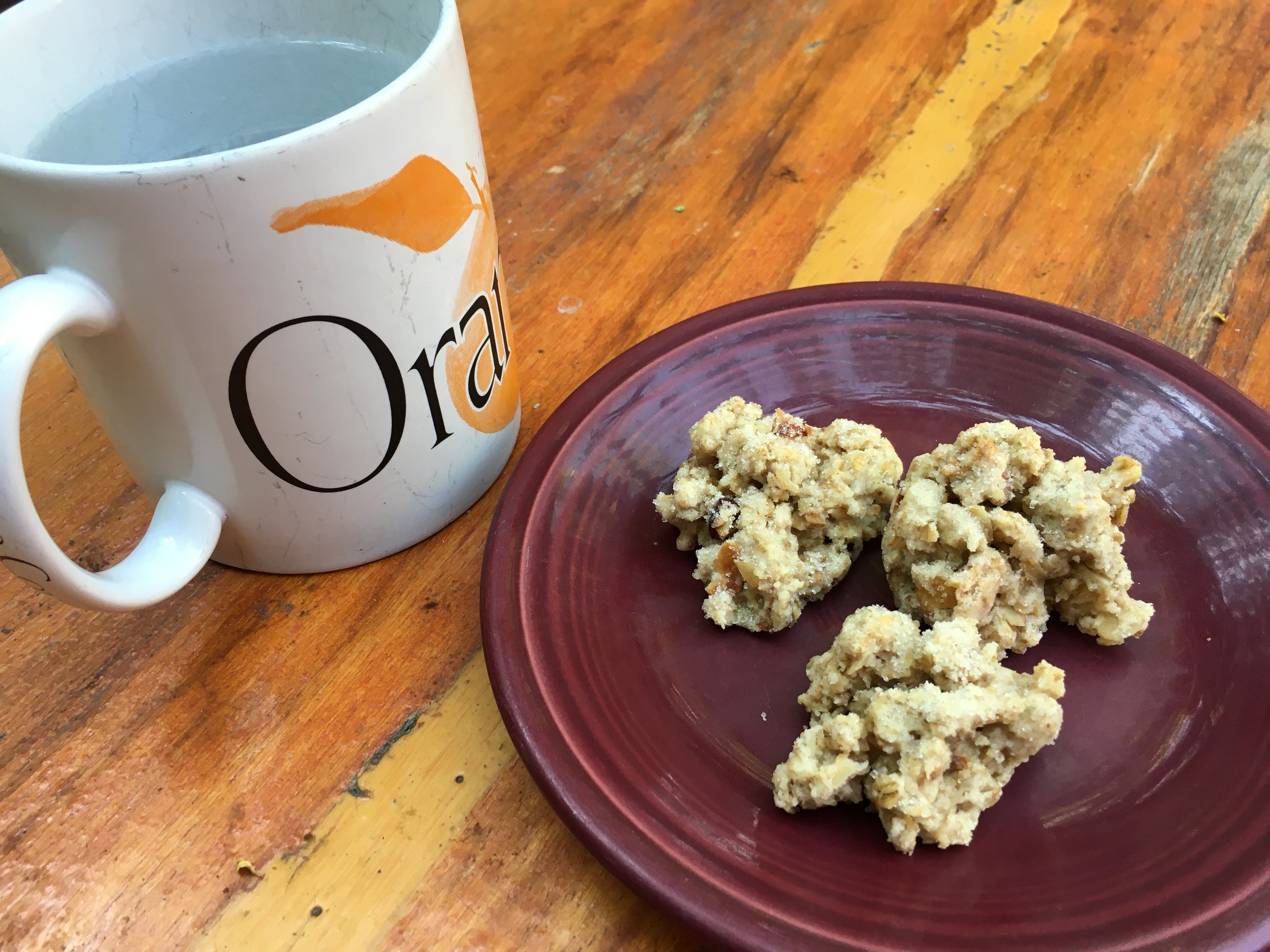
Ingredients:
1 cup white flour
1 cup whole wheat flour
1 1/4 cup oats
1/4 cup sugar
1 TBSP baking powder
1/2 tsp salt
1 egg
1/2 cup milk
1 tsp vanilla extract
1/2 cup canola oil
1/2 cup mix ins (I used almonds, dried cherries and mini chocolate chips)
How To:
Preheat oven to 400F
Combine dry ingredients in a bowl and mix well.
Combine wet ingredients in a bowl and mix well.
Make a well in the dry ingredients and pour the wet ingredients in. Mix until just combined.
Place spoonfuls of batter on a baking sheet (recipe should make 18-24)
Sprinkle to tops with sugar if desired
Bake for 5-7 minutes or until golden brown. Do not over bake!
Enjoy!
This can be made into a balanced snack by adding some protein!! I ate mine alongside greek yogurt mixed with peanut butter and raspberries!!

Metabolic Testing: What It Is & Why We Care
Metabolic Testing
What Is It
Well, in short, it is a test that helps us determine how many calories you burn at rest.
The method we use is indirect calorimeter, which is the gold standard field test, and the MOST accurate way we can determined your metabolism outside of a hospital or lab. The device we have measures your oxygen to carbon dioxide ratios (the inputs and byproducts of metabolism), to determine how metabolically active your body is.
ABOUT US: SPOKANE NUTRITIONISTS
We are a group of registered Spokane dietitians and personal trainers who have a passion for helping you feel in control of your health.
We work mainly with athletes, those with chronic GI conditions, and women in perimenopause and menopause. We create customized nutrition plans to empower and educate you in your health journey.
Why does it matter?
This number becomes the baseline of determining your caloric needs.
If you burn 1500 calories at rest, then we use that plus your daily activity to determine your total caloric expenditure. Having this number is crucial for performance, weight loss, weight gain or any body composition goals you have. It is also important to know, because chronically eating under this number will cause your metabolism to adapt down.
Whether you are interested in tracking calories or not, this number helps us educate you on how much to eat based on your goals.
What determines my metabolism?
A lot of factors! Some of the most significant factors are gender, muscle mass, dieting history, hormone levels, medications, and stress levels.
But can’t I use a calculation?
Sure, but these aren’t always accurate. These don’t take into account the above factors. I always compare the number I get from the test with the calculations AND In-Body scan results. I can honestly say in most cases, these numbers can all vary 100-400 calories. If you were to use an inaccurate number to determine your needs, you may not reach your goals due to under or overeating.
Can my metabolic rate change?
For sure!!! Depending on muscle mass changes, weight changes, recent under or over eating, changes in hormones, changes in medications and stress levels, your metabolic rate can change.
What is the test like?
It is pretty simple. You just need to breathe into our device for 10 minutes. Your nose will be plugged with a nose clip so that all your air is coming through your mouth. You have to be fasted and avoid caffeine and exercise prior to the test.
Guys, I promise this test worth it! I am so not into gimmicky stuff, so I wouldn’t utilize this tool if I didn’t trust the science behind it!

The Truth About Protein Powders
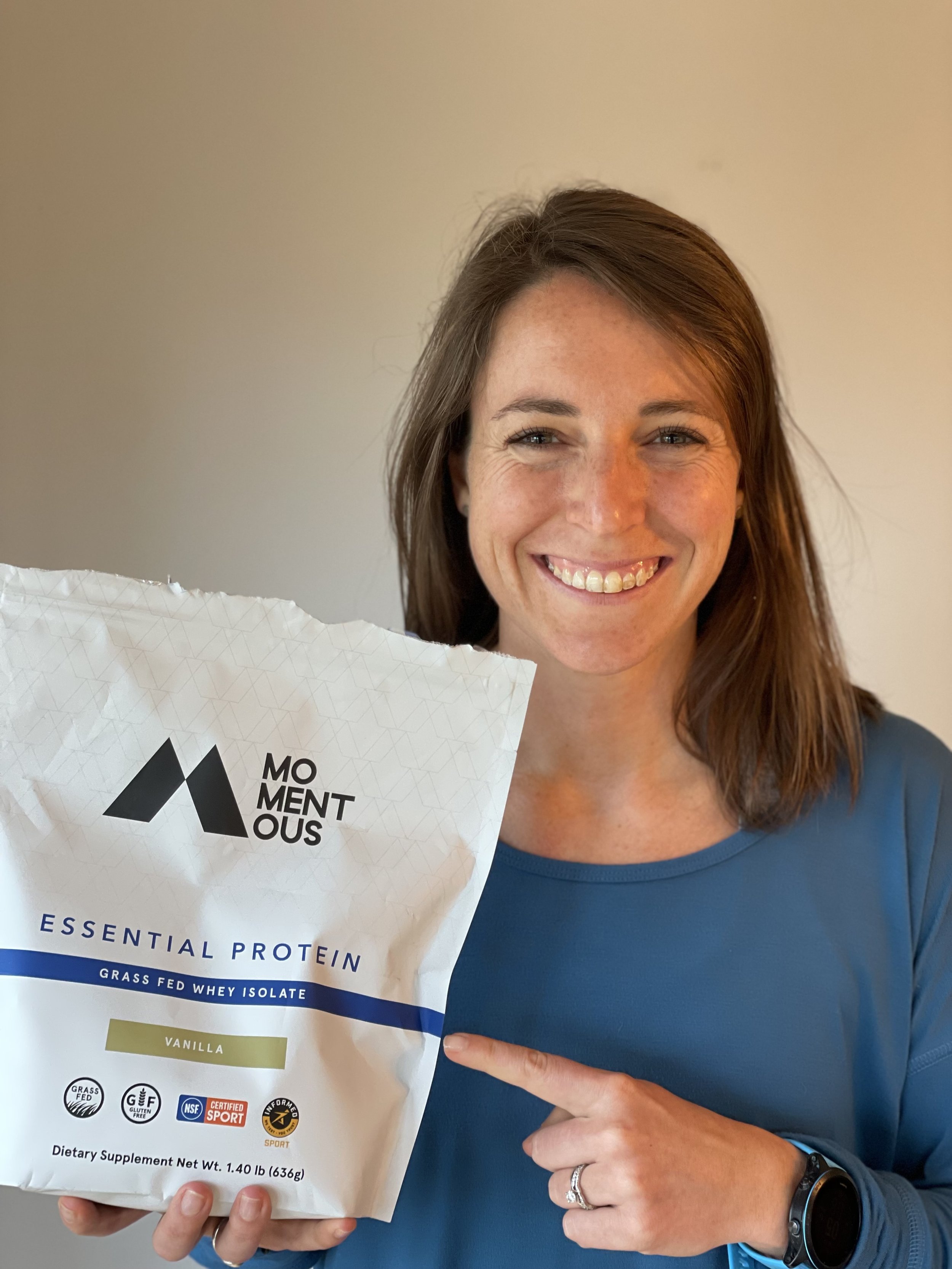
I swear I get asked on the daily about protein powders… do I recommend? How much? Which brands? What to look for? So…. Here is your guide to all the questions about protein powder you may have!!!
I even linked some of my favorite brands at the bottom!!
How Important is Protein Powder in Achieving Your Goals?
Too often, people rely on a pill or powder in an attempt to hit a new health or fitness goal, rather than focusing on what matters most: nutrition, progressive overload, sleep, stress, and time management. In reality, a supplement can only provide a slight benefit (less than 5%), even when these other factors are really dialed in. However, there are a few exceptions. A high-quality protein powder is something we do recommend for some.
When Should You Supplement?
We recommend a supplement when a client has a high protein goal that they are struggling to reach. For example, a client who is vegetarian might have a hard time getting enough plant-based proteins in. Maybe a busy athlete needs a quick and convenient protein source to support recovery. Even those looking to lose weight can have higher protein goals, and a protein supplement makes that goal attainable. Sometimes, having just one or two extra servings of protein daily can make things significantly easier.
ABOUT US: SPOKANE NUTRITIONISTS
We are a group of registered Spokane dietitians and personal trainers who have a passion for helping you feel in control of your health.
We work mainly with athletes, those with chronic GI conditions, and women in perimenopause and menopause. We create customized nutrition plans to empower and educate you in your health journey.
What Should I Look For?
When choosing a protein supplement, there are a few key things to look for to make sure you are getting a high-quality, effective, affordable source of protein.
Amount of Protein
You want at least 20 grams of protein in a single serving, and the serving size should ideally be 1 scoop. By maximizing the protein content and minimizing the serving size, the protein powder will be convenient, easier to track, and likely more affordable.
Source
Not all protein sources are created equal. Some proteins are better utilized in our bodies than others, so even if the label says “20g of Protein”, you might not be using it completely. Whey and casein proteins are the most ideal. If you are dairy-free, egg-white protein is a very good option for you. If you are looking for a vegan powder, look for one that has a combination of proteins, such as rice, pea, hemp, potato, etc. (having 3 or more sources is ideal).
And while we are on it, lets talk about collagen protein. Collagen protein powder is not a complete source of protein, much like plant based protein powders. This doesn’t mean it doesn’t “count” as protein, but if your goals for taking protein are for muscle growth or maintenance, it may be better to try whey or casein.
Leucine
Now that you have chosen a good source of protein, you can then consider the leucine content of it. Protein is made up of amino acids, and leucine is one that plays a very important role in building muscle. Research shows that having 2-3g of Leucine with each serving of protein maximizes the effect that protein has on the muscles. Generally, a balanced meal of lean protein, carbohydrates, and vegetables, will have that leucine content. But for protein supplements, making sure it has the right amount of Leucine, if available, is recommended.
Other Nutrition Facts
Your protein supplement doesn’t need to have carbs and fat. While some recovery drinks do have a mixture of all three macros: protein, carbs, and fat, I have yet to come across one that has 20g of protein. If you are utilizing protein powder for a post-workout option, you are better off eating with or adding carbs to your protein.
Cost/Value
Don’t assume that because a protein powder is the most expensive on the shelf, that it is of superior quality. Do some research to find a protein powder that fits your budget, but also has the other factors listed in this blog.
Recommended Brands
Look for a supplement that is third-party tested to ensure you are getting what you pay for and nothing potentially harmful or allergenic. The gold-standard is NSF and Informed Choice. Look for these logos:


A few brands we recommend:
Thorne (ask about our discount through Fullscript)
Not Sure If You Should Be Supplementing?
Reach out to one of our dietitians to see if a protein supplement might be right for you in helping you hit your health or fitness goals!

3 Diet Changes To Improve Fitness
ABOUT US: SPOKANE NUTRITIONISTS
We are a group of registered Spokane dietitians and personal trainers who have a passion for helping you feel in control of your health.
We work mainly with athletes, those with chronic GI conditions, and women in perimenopause and menopause. We create customized nutrition plans to empower and educate you in your health journey.
This may surprise you, but yes, I am always working on my nutrition as well! Whether it’s mindset around food, or certain habits, I am always challenged to make changes that fit my goals. So, I thought I’d share some of the things I have been working on!
My current goal:
I am currently in full swing training of Coeur d’Alene Half Ironman. My volume is high. Fatigue and time constraints are real.

Things I am Already Doing:
This is important to say because it is easy to skip over foundational pieces that are essential to our goals.
Eating 3 meals + 2+ snacks a day
Listening to my hunger
Eating enough protein
Focusing on fruits and vegetables
Planning meals ahead (most of the time)
Fueling my workouts well
Three things I am working on:
Getting enough carbs
As volume increases carbs become more and more important to performance and recovery. I am not counting carbs, but I am purposefully including them in each meal and snack and reaching for them when I am hungry or tired.
As an athlete, I think it is valuable to have a minimum amount of carbs you are eating a day, and know what that portion at each meal and snack is, and then understand you can and should add more when you need it and when volume increases.
Sometimes these carbs are fruit or brown rice or oats and sometimes they are pretzels and fig bars and cookies… and that’s called balance!
Including beans/lentils at least 1x per week
This became a goal after I did my InsideTracker bloodwork (contact me for discounts). I have always enjoyed beans and lentils, but have not worked to include them regularly. Beans and lentils are full of fiber and great plant sources of protein.
I do not always have success with meatless meals, because I often end up hungry after and the fiber can be rough on my GI system during runs, SO I have started to just include these along with meals I am already making.
An example…. include black beans with your tacos or taco bowls.
Also, for the record, I buy canned (low sodium) beans and rinse them… so you can do this too. It is not “unhealthy” or “too processed,” It is actually convenient and easy!
Reach for anti-inflammatory foods
These foods have all the rage right now!! As an athlete, they help with recovery and repair. All fruits, vegetables, whole grains, and healthy fats can be anti-inflammatory.
Here are some tips:
The richer the color of fruit or vegetable, the more anti-inflammatory it is
Look for fats with omega 3s
Some ways I am including anti-inflammatory foods:
Adding flax meal to my oatmeal
Opting for tart cherry juice when I want something sweet at night
Including walnuts in snacks
Adding frozen berries to anything and everything
Making sure I am getting 3+ servings of vegetables a day
The Take-Aways
Diet changes don’t have to be extreme
The changes you are making should reflect your goals
Be realistic with your changes
Think ahead of ways to make your changes successful
As always, if you need help knowing what diet changes to make for your goals, please reach out!

My Favorite Products as a Dietician

Guys! I have been wanting to do this forever and am very excited to finally be doing it! I wanted to make a page that you can land on to find products that I recommend frequently (and use myself too!) Check it out!!!
ABOUT US: SPOKANE NUTRITIONISTS
We are a group of registered Spokane dietitians and personal trainers who have a passion for helping you feel in control of your health.
We work mainly with athletes, those with chronic GI conditions, and women in perimenopause and menopause. We create customized nutrition plans to empower and educate you in your health journey.
Food:
SNACKS:
PB2: Add to yogurt, smoothies, pancakes… anything really!
RXBar Nut Butters: These are great traveling snacks!
RXBar Oatmeal: Find out how I use these here
Whole Grain Triscuits: My go-to cracker!
BARS:
WORKOUT NUTRITION
Gogo Squeeze Applesauce: Great pre-workout and/or during workout.
Fig Bars Great pre-workout and/or during workout.
Graham Crackers Great pre-workout and/or during workout.
Lyte Balance Electrolytes Everyday hydration
Skratch Labs Hydration (strawberry lemonade): Shorter workout hydration
UCAN: Great for workouts lasting longer than 60 min
Hammer Perpetuem (Cafe Latte): Great for workouts lasting longer than 60 min
Hammer Endurolytes Fizz: Great for post workout hydration
GU Gels: Great for workouts lasting longer than 60 min
Science in Sport Gels: Great for workouts lasting longer than 60 min
Clif Bars: Great for workouts lasting longer than 60 min
Fuel for Fire: Quick post workout snack
Noka Smoothie: Quick post workout snack
COOKING to add flavor:
Spiceology Spice Mixes (any of them)
Trader Joes Green Goddess or Carrot Ginger Miso Dressing
Salsa (always)
more to come….
Oat Pancakes- My Go-To Snack

If you guys haven’t figured this out yet, I am all about snacks!! I love snacks but often find myself in snack ruts, as I know many of you do too. So… I wanted to share one of our favorite go-to snacks!! Kevin created this idea and with plain oats and then we took it to the next level with RXBar Oatmeal!! And just a caveat… we call these patties, I called them pancakes for this blog, but really… I am not sure what to call them!!
Before I dive in, I just want to tell you why this snack packs a punch.
Oats are a complex carb that is high in fiber, so you will find the energy lasting longer
As I mentioned in the point above, oats have a lot of fiber, which is something we all need a decent amount of! Whole grains (including oats) are a great way to get fiber (along with fruits, vegetables, nuts and seed!)
The RXBar Oatmeal has protein added in PLUS you add protein from the Greek Yogurt which makes this a high protein snack
And finally, the number 1 reason why I love this snack… it is delicious!

Oat Pancakes (patties, or whatever you want to call them)
Ingredients:

1 container of RXBar Oatmeal, any flavor
1 TBSP nut butter
1/2 banana
1/3 cup Greek Yogurt
cinnamon
How to:

Mash banana in a bowl. Take 3/4 of the banana and mix it in with the RXBAr Oatmeal and nut butter
Heat a pan and transfer oats to the pan. Flatten and form into a round disc.
While it is cooking, mix the other 1/4 of the banana with Greek Yogurt and cinnamon.
Once the pancake is browned, flip and cook the other side until that side is browned.
Serve pancake with yogurt mixture.
Note: this can be made with a 1/3 cup normal oats
These can be eaten without the yogurt as a pre-workout snack and with the yogurt as an everyday snack or a post-workout snack.

No Bake Pre-Workout Cookies
Hey y’all!
It’s been a minute, but I’m still here and wanted to share a fun snack recipe with you guys!
Our official training is starting this week for St George 70.3. We are keeping our fingers crossed that the race will happen. I’m sure you’ve experienced this in the last year too… you have to keep unwavering optimism to keep up your motivation to train, or else I find it too easy to just let time pass by!
Anyways, with the start of a new training season, I am always looking for fun pre-workout snacks! You all probably know I am a huge RX Bar fan, but sometime I feel like I just wanna mix it up!!
This recipe is delicious and easy and can be easily stored! It is mainly carbs to give you good and long lasting energy. Everything an endurance athlete needs in a snack :-)

No Bake Pre-Workout Cookies
Makes 24 cookies
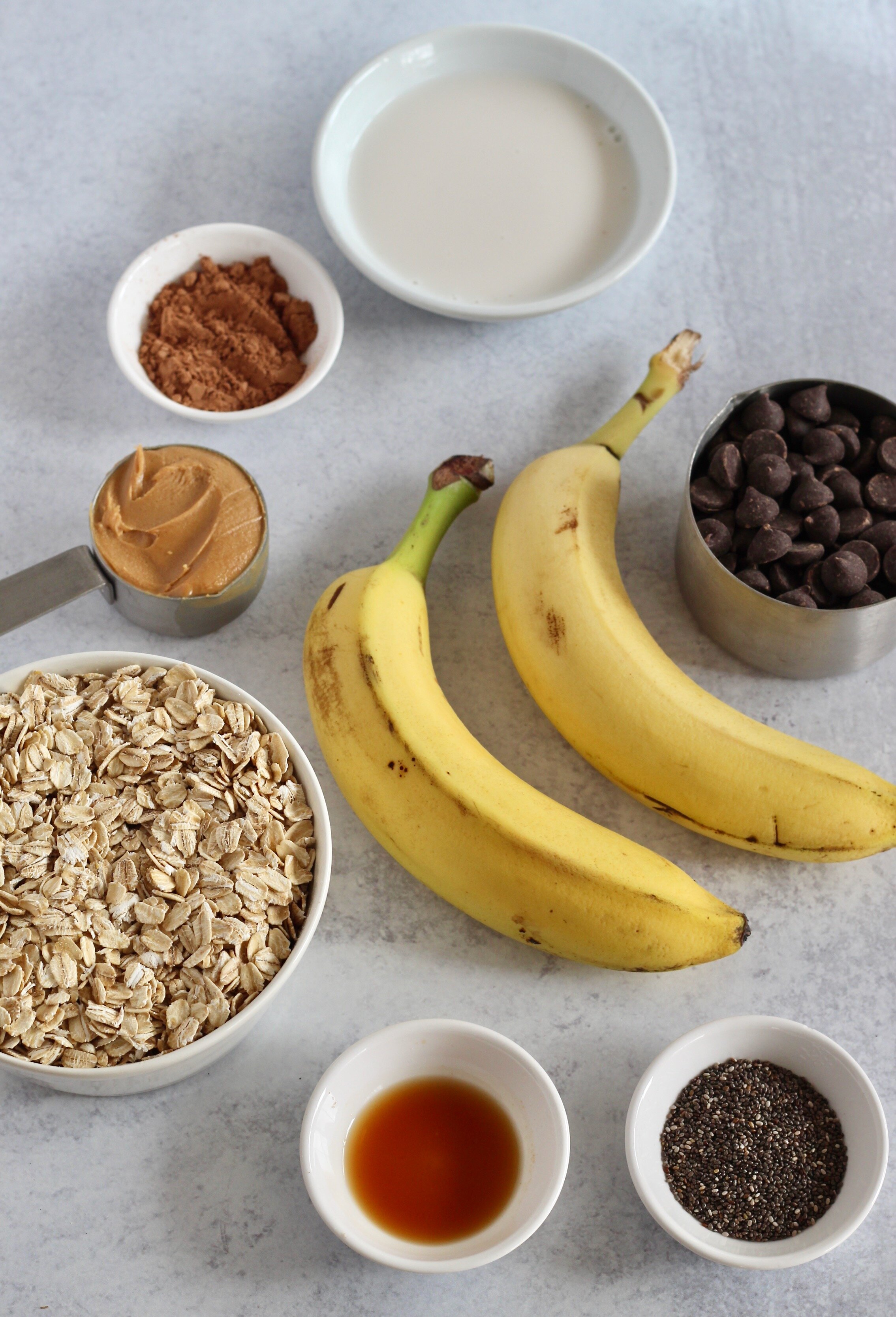
Ingredients:
2 ripe bananas, mashed
1 cup dark chocolate chips
1/4 cup peanut butter
1 TBSP chia seeds
1 TBSP cocoa powder
1 TBSP maple syrup or honey
1/4 cup almond milk
1/8 tsp salt
2 cups rolled oats
How to:
In a medium pan over low heat, combine mashed bananas, chocolate chips, peanut butter, chia seeds, cocoa powder, maple syrup/honey, almond milk and salt. Heat for 2-3 minutes or until melted and just beginning to bubble.
Remove from heat and stir in oats until completely coated.
Spoon rounded tablespoons of dough onto a plate or sheet pan lined with parchment paper. Chill cookies until solid, then enjoy!
Store leftover cookies in the fridge for up to 1 week or in the freezer for up to 3 months.

Nutrient Info: 1 cookie 100 calories, 4.9g fat, 12.6g carb, 2.2g protein
For athletes: this is a great pre-workout snack
For everyone else: to make this an energizing balanced snack, add a protein!
Monster Granola Bars

YUMMMMM! These were fun to make and even better to eat!!! I actually bit into these and thought to myself, these could be a dessert… thats how good they are!! Plus, if you are like me a love to bake, it is a good way to get your baking fix in!
The nutrient breakdown of these make them a great pre-workout snack because of the quick and slow carbs. They also have some fat and a bit of protein which will help the energy last longer.
If you are wanting to utilize them as an everyday snack, pair with a piece of fruit and a hard boiled egg and it will be a well balanced snack that will provide great lasting energy!
Monster Granola Bars
Ingredients:
1/2 cup peanut butter
1/4 cup honey
1/8 cup avocado oil (or melted coconut oil)
3/8 cup unsweetened applesauce
1/2 cup whole wheat flour
1 tsp vanilla
1/2 tsp baking soda
2 cups oats
1/2 cup dark chocolate chips
1/4 cup raisins
How to:
Preheat oven to 350F. Line an 8x8 pan with parchment paper.
Combine peanut butter, honey, oil, applesauce and vanilla in a medium bowl. Mix well.
Add the flour, baking soda, oat. Mix to combine.
Mix in chocolate chips and raisins
Transfer to the 8x8 pan and press down so it is evenly distributed.
Bake for 18-20 minutes, or until golden brown. Let cool before you take it out of the pan.
Remove from the pan and cut into equal portions.
If you will be eating right away, store in refrigerator. If you will be storing them for snacks to grab over the next couple of months, wrap each individually in foil and stir in the freezer.

At Home Workouts: No Equipment, No Worries!
One of the coolest ways I’ve seen the community adapt to this COVID-19 quarantine is the amount of ideas being shared for at home workouts. Kevin and I have been doing at home workouts with very limited equipment. It has been great to get our bodies moving, but sometimes workouts just don’t feel as challenging when done with body weight. I wanted to share some extremely practical ways of making movements more challenging.
Add weight: get creative!! You have heavy things around your house, I know you do! Find ways to make them carry-able… grab a backpack and get creative with what you can throw in it.
I found a Costco bag of rice and textbooks. You can also fill water bottles with water. Bags of dog food are heavy. Cans are heavy. Just find some heavy stuff and throw it in a backpack!

How to utilize for a workout:
Place either on your back or your front to vary the load. You can do squats, lunges, deadlifts, 1 leg deadlifts, push ups, planks, jumping jacks, sprints, step ups, dips and many other movements with this.
Carry it: you can do squat presses, strict presses, farmers carry.
Move it: you can do wallballs, sit ups, kettlebell swings, cleans, toss it back and forth. Whatever you do, make sure the straps are tied in so they don’t whack you in the face.
At home workout:
4 rounds
30 lunges
20 squat press
10 push ups
400 m run (weight on your back)
Jump: jumping adds an element of power and speed, both of which will challenge more than a non jumping movement. Jumping will also get your heart rate up.
How to utilize in a workout: mix in jumping and non-jumping movements into your workout. Movements that can include jumping are: squats, lunges, push ups (for some), jumping jacks, tuck jumps, high jump, broad (frog) jump, speed skaters, and box jump.
Before you add jumping, make sure you feel strong enough in the non-jumping variation (aka a normal squat). Jumping will add more force to your joints and bones, so keep that in mind if you are nursing an injury.
At home workout:
5 rounds: 40 sec work/20 sec rest:
Squat jumps
Plank
Speed skaters
Dips
Jumping jacks
Slow Down: slowing a movement down requires control. Because your muscle is working for longer, it is required to fire more often. This is a great way to make a movement harder with just a little bit of weight!
How to utilize in a workout: You can either move slowly through the whole movement, or pick a part of the movement to move slowly through and use power and speed in the other portion (like the deadlift video). This can be done with squats, lunges, deadlifts, push ups, presses, 1 leg squats and deadlifts, and sit ups.
At home workout:
3 rounds of 12 of each movement:
Squat (lower for 5 seconds, pause at the bottom for 3 seconds, raise up for 1 second)
Deadlift (lower for 5 seconds, pause at the bottom for 3 seconds, raise up for 1 second)
Push up (lower for 5 seconds, pause at the bottom for 3 seconds, raise up for 1 second)
Sit up (lower for 5 seconds, pause at the bottom for 3 seconds, raise up for 1 second)
I was just thinking this morning that the idea of the quarantine has seemed like a fun idea… there has been a sort of novelty around it. If this continues on, I know at home workouts are going to become more and more challenging to stay motivated for. I strongly encourage you to KEEP MOVING! Exercise helps with:
Immunity
Triathlon and running performance
Weight loss and weight maintenance
Mental health
Mood
So yes, your equipment may be limited. But push to find ways to make it more challenging and fun. You post-quarantine self with thank you for it.
If you have questions or need more ideas, please reach out!
Turmeric Sweet Potatoes
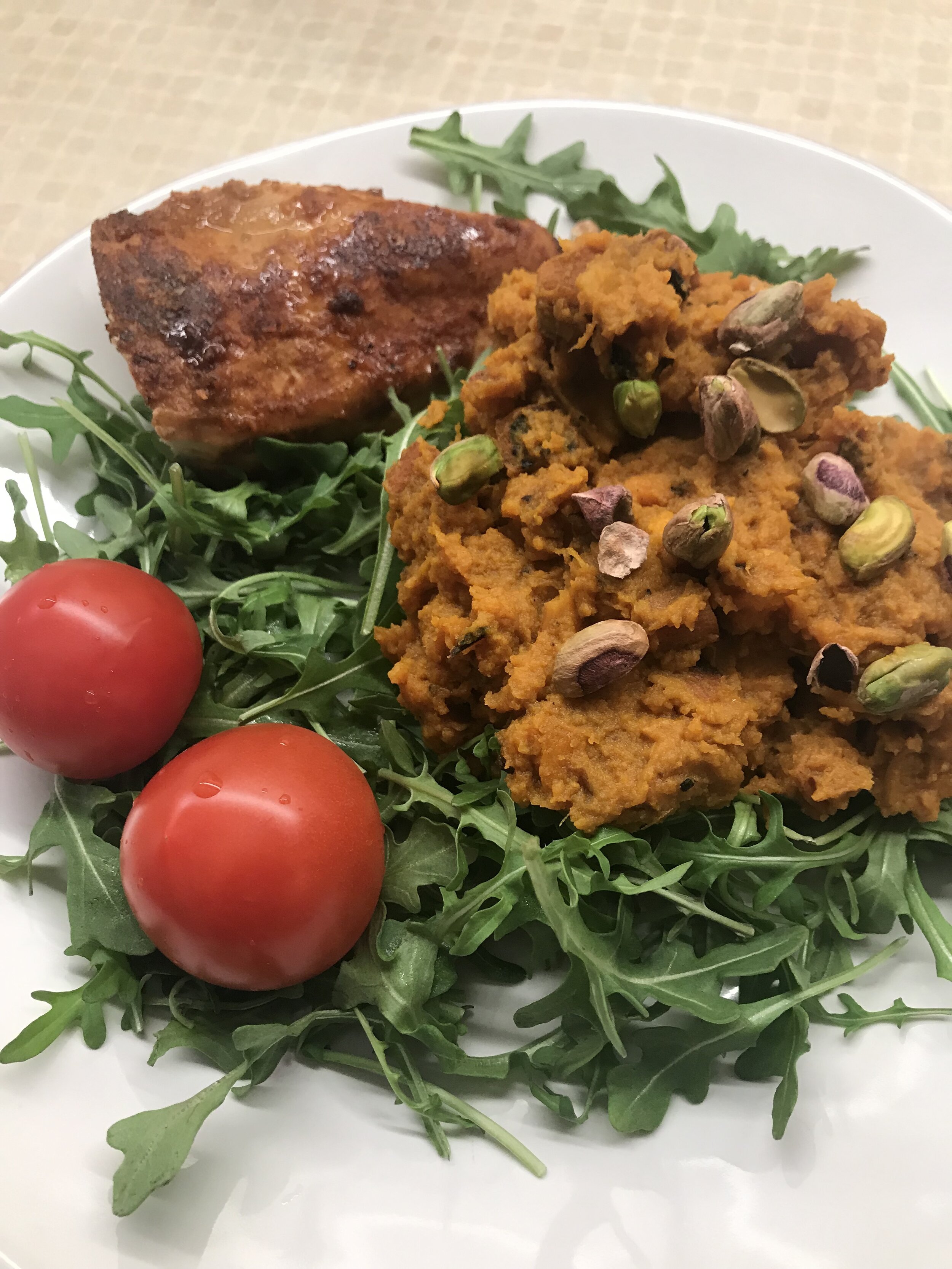
This is one of our favorite ways to make sweet potatoes!!! They not only taste great with all different proteins, they also taste really great leftover. We often serve them with lentils and eggs or with chicken and they taste GREAT with arugula and pistachios on top!! Check ‘em out!!
Turmeric Sweet Potatoes
Ingredients:
3 large sweet potatoes, cubed
1 TBSP turmeric
1 tsp avocado oil
3 cloves garlic, minced
1.5 cup low sodium chicken broth
How to:
Saute sweet potatoes in a large pan with avocado oil. Let them cook until they brown and get soft.
Add turmeric, garlic and chicken broth.
Let mixture simmer for about 5 minutes, or until the sweet potatoes are really soft!
Then, using a potato masher or fork, mash until desired consistency is reached.
Serve with a protein, vegetable, arugula and pistachios!!

High Protein French Toast
French toast is one of those foods that I LOVE but rarely eat. The reason being, when I know if I have a sweet treat for breakfast, I will likely need a nap and be pretty much useless for the day. When I do have it, I make sure I balance it with some eggs, so the sugar doesn’t hit my system so drastically! There is so much to say about a balanced plate!!
So, Kevin came up with this lovely idea for french toast that doesn’t leave me down and out for the rest of day. He was like, what if we use the ingredients we usually use for breakfast and make it into french toast…? Brilliant!!
This french toast is made of our normal whole wheat bread, sweetened with yogurt, berries, banana and peanut butter AND has no added sugars!! If you are looking for a fun a different breakfast to have that keeps you on track with your goals, try this recipe out!!

Everyday French Toast
Ingredients:

Whole wheat bread (5 pieces)
4 eggs, whisked
1/4 cup milk
a splash of vanilla
1/2-1 tsp cinnamon
Dash of cloves and allspice
1/3 cup Greek yogurt
1/4 cup peanut butter
1 cup frozen berries
1 banana
How to:
Whisk eggs, milk, vanilla, cinnamon, allspice and cloves in a flat dish.
Heat a skillet. Soak 1-2 pieces of bread in the egg mixture. Flip so that the full toast is soggy.
Place in the skillet and cook 3-5 minutes on each side, or until toasted and egg is cooked.
Continue steps 2 and 3 until all the pieces are cooked.
Meanwhile, stick the frozen berries in the microwave to 20-30 seconds. Mash with banana. Then mix in yogurt and peanut butter. Mix in more cinnamon if desired!
Top french toast with berry mixture and ENJOY!!!