Marathon Fueling Plan: How to Avoid Bonking | Spokane Nutritionist Guide
Written by Fuel to Thrive’s Dietitian and Personal Trainer: Jessica Lovell, MS, RD
“Hitting the wall” or “bonking” are words that often plague a runner’s nightmares leading up to race day.
Quite literally, bonking feels like running through molasses. You can’t fathom why your pace suddenly feels so hard—but your brain also can’t imagine going any faster. Bonking is one of the most common issues runners face, and without a proper marathon fueling plan, it can derail months of training.

ABOUT US: SPOKANE NUTRITIONISTS
We are a group of registered Spokane dietitians and personal trainers who have a passion for helping you feel in control of your health.
We work mainly with athletes, those with chronic GI conditions, and women in perimenopause and menopause. We create customized nutrition plans to empower and educate you in your health journey.
What Is Bonking? Understanding the Science
Scientifically, bonking occurs when your liver and muscle glycogen stores become depleted. Glycogen is the stored form of carbohydrate that your body uses for energy during endurance exercise. Think of it like gas in your car. When the tank is empty, the car slows down. Your body works the same way.
Here’s what most runners don’t realize:
Your liver stores roughly 88–160 grams of carbohydrates
Your muscles store around 310 grams
This equals about 1,600–1,900 calories of stored fuel
However, during a marathon, your body may burn around 3,000 calories. That’s a massive mismatch between stored fuel and energy demand. It’s no surprise that research shows nearly 40% of marathon runners experience bonking, often around mile 21. Your risk increases even more when racing at 80–95% of your VO₂ max, which is typical for many runners trying to perform their best. This is why proper nutrition for endurance athletes is critical for performance.
My First Marathon Fueling Mistake
In my first marathon, I was so afraid of bonking that I overcompensated.
Within the first six miles, I consumed:
3 packs of energy chews
600 calories
144 grams of carbohydrates
My stomach felt like it got hit by a bus. Instead of focusing on racing, I was racing to find a Porta Potty. Three bathroom stops later, I learned one of the most important lessons in marathon nutrition:
More fuel isn’t always better. The right fueling plan is what matters. That experience pushed me to learn exactly how to fuel properly—and how to help other runners do the same.

The 3 Pillars of an Effective Marathon Fueling Plan
Avoiding the bonk requires more than just fitness. It requires strategy. The three key pillars include:
1) Carb Loading Before the Race
Carb loading helps maximize glycogen stores so you start fully fueled. This helps:
Delay fatigue
Improve endurance
Support race-day performance
2) Pre-Race Fueling
Your pre-race meal helps:
Stabilize blood sugar
Top off glycogen stores
Prepare your body to perform
3) Fueling During the Race
During-race fueling helps:
Maintain energy levels
Prevent glycogen depletion
Support consistent pacing
This is where a customized fueling plan makes the biggest difference.
Six Marathon Fueling Strategies to Reduce Bonking and GI Distress
As an endurance athlete, these six strategies can help you fuel smarter and perform better.
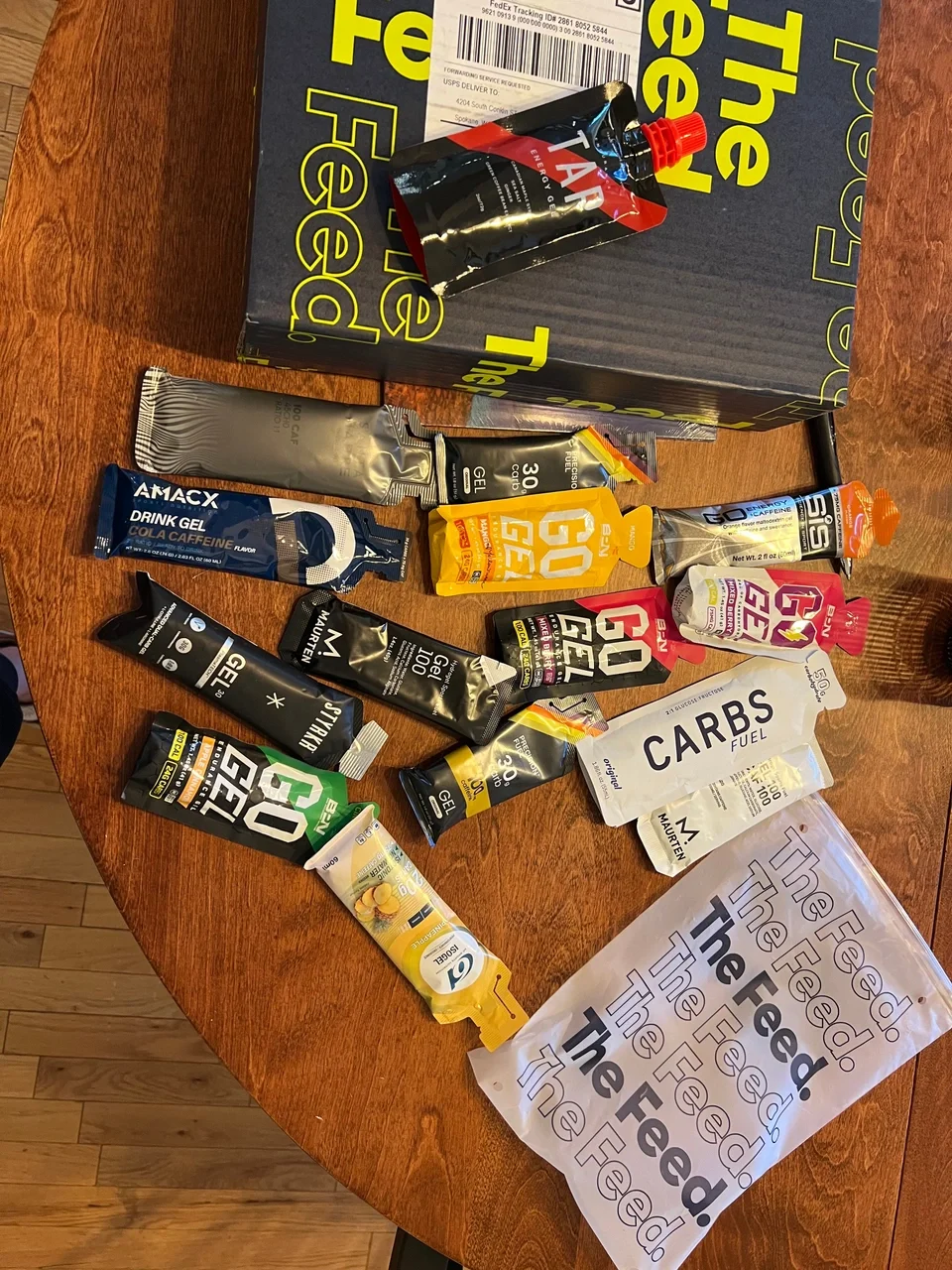
1) Practice Fueling During Training Runs
Experiment with different carbohydrate sources such as:
Energy gels
Chews
Carbohydrate sports drinks
If your race provides specific products at aid stations, practice using those. Race day should never be the first time you try a fuel.
2) Practice Carb Loading Before Race Day
Carb loading in the days leading up to your race helps:
Maximize glycogen stores
Improve endurance
Reduce your risk of bonking
A customized fueling plan can help you carb load without GI discomfort.
3) Create a Race Day Fueling Schedule
Know in advance:
What you’ll eat
When you’ll eat
How much you’ll consume
Then practice that exact plan during training.
4) Prioritize Hydration
Hydration supports:
Performance
Digestion
Energy levels
Be sure to hydrate consistently before and during your race.
5) Get Enough Sleep
Sleep plays a critical role in:
Recovery
Energy
Race performance
6) Manage Race Day Nerves
Some nerves are normal—but too much stress can worsen GI symptoms.
Having a clear marathon fueling plan helps increase confidence and reduce anxiety.
The Most Important Marathon Nutrition Lesson: Have a Plan
Race day nutrition is one of your most important performance tools. Without a plan, your body will eventually run out of fuel.
With the right plan, you can:
Maintain steady energy
Avoid bonking
Reduce GI symptoms
Perform your best
Your fueling strategy should be practiced, personalized, and intentional.
Why Every Runner Needs a Customized Fueling Plan
Every athlete’s body is different. Your fueling needs depend on:
Body size
Pace
Training volume
GI tolerance
Sweat rate
A customized fueling plan removes the guesswork and helps you fuel with confidence. This is the foundation of effective nutrition for endurance athletes.
Work With a Spokane Nutritionist to Optimize Your Marathon Fueling Plan
I may have spent a lot of time staring at the bright blue walls of a Porta Potty during my first marathon—but now, I race strong, fueled, and confident. As both a runner and a Spokane nutritionist, I help endurance athletes:
Build customized fueling plans
Overcome GI distress
Avoid bonking
Fuel properly for training and racing
If you want expert guidance and a personalized approach, working with a dietitian can help you fuel smarter and perform better.
Ready to Build Your Customized Fueling Plan?
If you’re training for a marathon and want a personalized plan designed for your body and goals, working with a Spokane nutritionist can help you:
Improve performance
Prevent bonking
Fuel with confidence
Your training deserves the right nutrition. And your race deserves your best performance.
